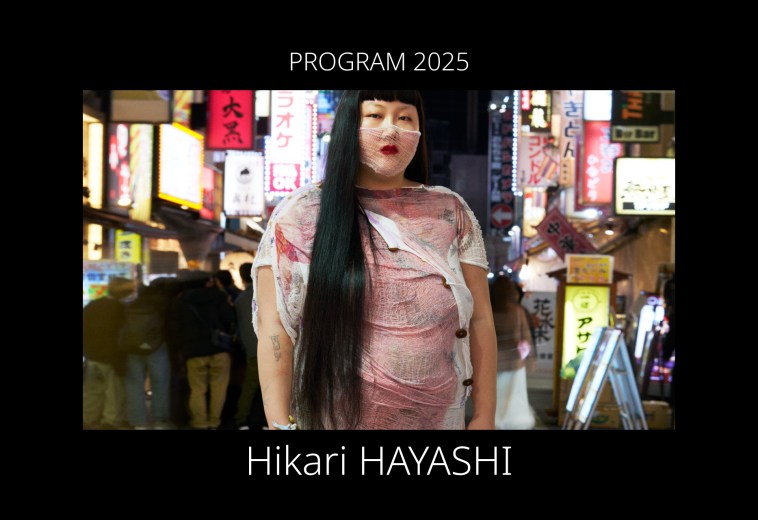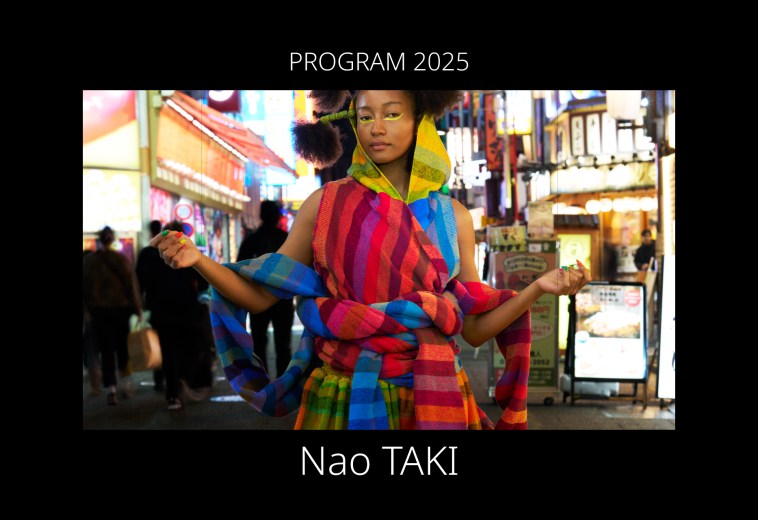
Neophytes such as Himalayan balsam (Impatiens glandulifera), Japanese knotweed (Reynoutria japonica) or Canadian goldenrod (Solidago canadensis) were introduced into Europe as ornamental plants decades ago or unintentionally brought in, and now spread uncontrollably at large scale. According to environmental organizations, invasive alien plants are among the greatest threats to global biodiversity.
Worldwide, legal regulations govern the handling of these problematic species. Various programs of the Austrian and European governments aim to combat and contain these plants. Specialized tracking systems, legal requirements and reporting obligations exist.
They are tracked. Killed. Burned.
Within the framework of regenerative design strategies, my project examines our relationship with nature and the potential use of these unwanted, invasive plant species as a valuable, previously overlooked resource. At the center of my work is Japanese knotweed – one of the most invasive plant species in Austria. Since the 1980s, this plant has spread uncontrollably and has had negative impacts on fragile ecosystems.
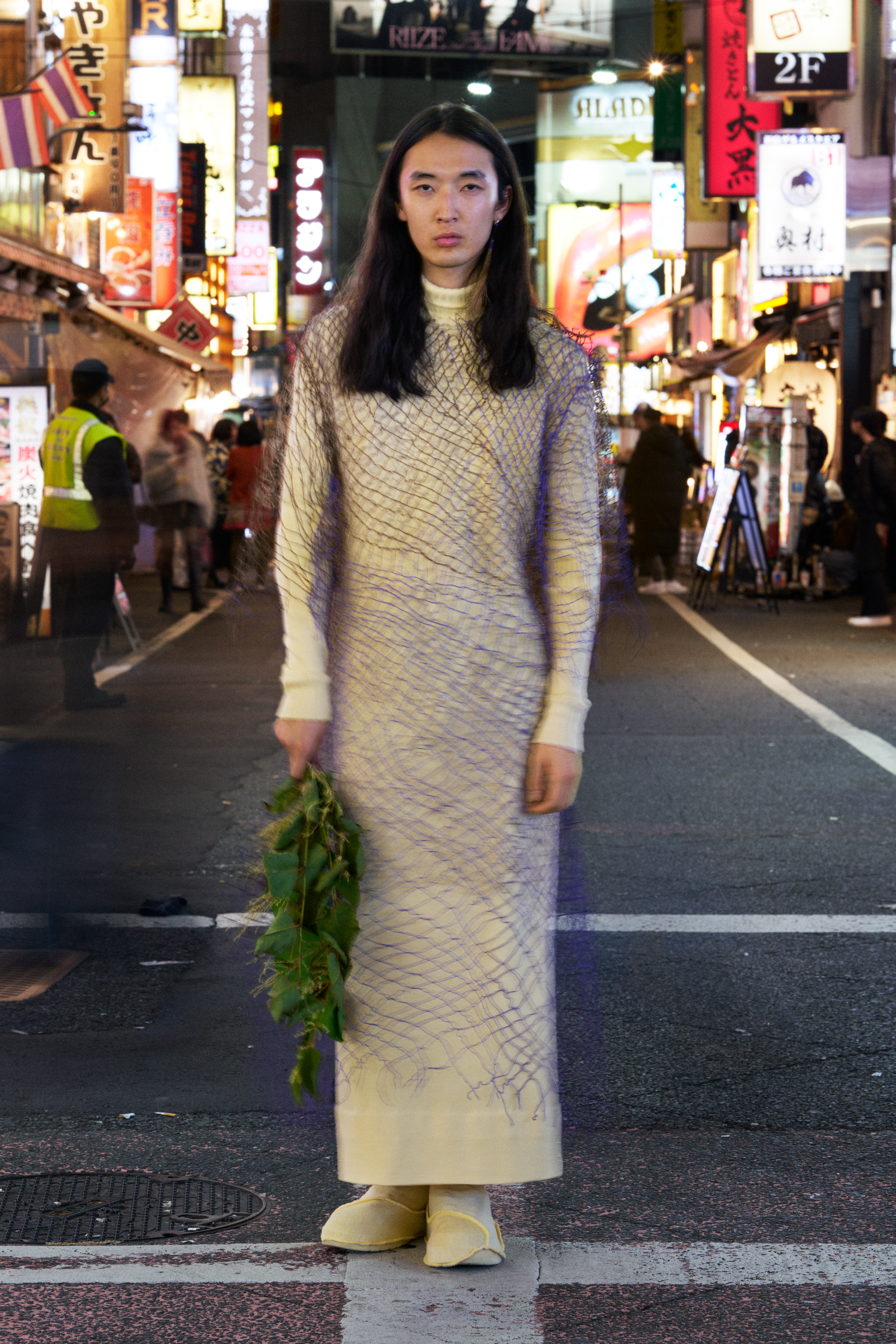
In my project, I investigate the diverse possible applications of the plant. It is important to me to find meaningful uses for all parts of the plant. The core of my work is the extraction of fibers from its stems, while the leaves and roots are used to dye the textiles.
The use of the organic binder alginate makes it possible to create water-resistant, fabric-like materials from the extracted fibers. Through a 3D printing process, these materials are transformed into vibrant textile surfaces and functional garments. A unique world of design possibilities emerges – rich in dynamic patterns and unconventional silhouettes.
All raw materials used circulate within a closed-loop material cycle. Residues or garments that are no longer worn can, if necessary, be remelted, reshaped and “revived” – without waste and without the loss of resources.
My project approaches invasive plants with a reconciliatory perspective – not to celebrate their unchecked growth, but to transform them into sustainable design. It is about creating a respectful balance and preserving biodiversity. What was once seen as a burden begins to bloom anew – becoming a resource, a form, a symbol. In the process of “rebloom,” the unwanted transforms into something precious.
Perhaps this is where a moment of reconciliation begins.
Material:Natural, untreated merino wool dyed with Japanese knotweed roots, Fibers extracted from Japanese knotweed, Sodium Alginate
Supported by: University of Arts Linz, Austrian Embassy Tokyo/Austrian Federal Ministry for European and International Affairs, Julia Moser
Photography by YASUNARI KIKUMA / ©︎ FASHION FRONTIER PROGRAM