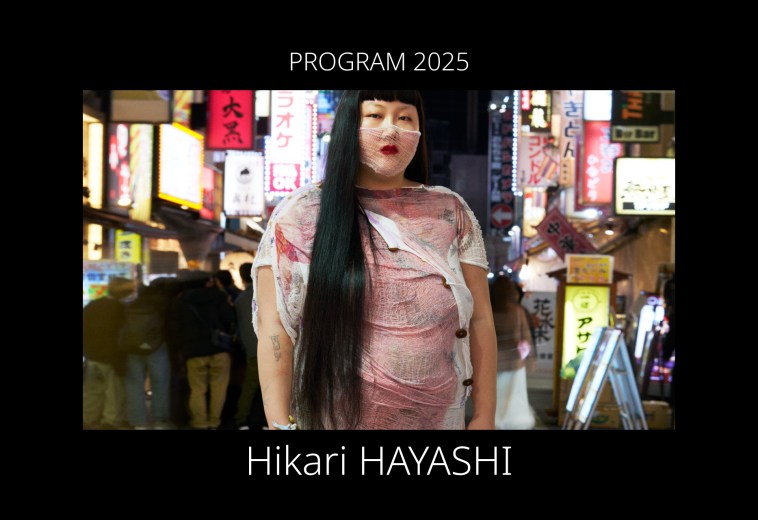
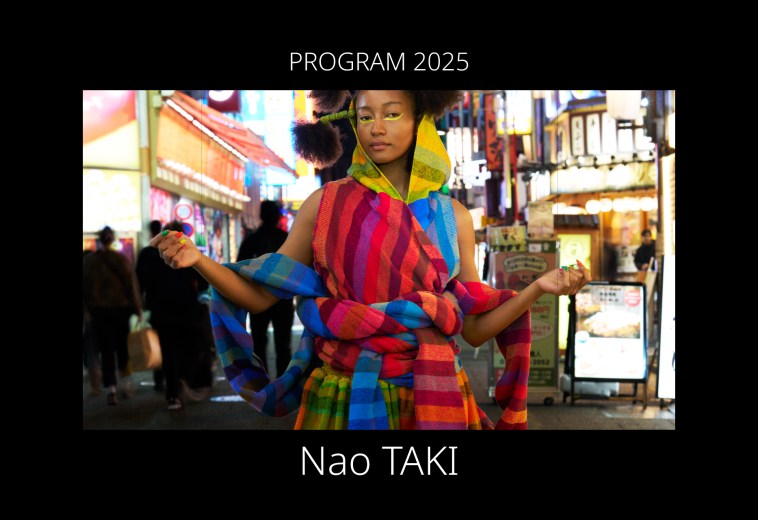
This is because I feel that simply being exposed to mass-produced products overseas does not fully cultivate the “sensibility to beauty” that we Japanese have cultivated over the ages.
Japan’s traditional industrial products have evolved through repeated ingenuity, coexisting with nature and incorporating the changing seasons into our lives. I believe that within these products lies a sense of aesthetics that we as Japanese people should cherish. I believe that continuing to be exposed to such Japanese beauty will not only help preserve traditional industries, but also the sensibility that lies at the core of Japanese manufacturing.
As an opportunity to reexamine consumption itself, I focused on the value that “things have souls,” which is fading in modern times. Furthermore, I found a common perspective with the collection of tales “Tono Monogatari,” which expresses a sense of crisis about the loss of traditional Japanese values amid the modernization of the Meiji era, and I placed Oshirasama, a deity still deeply revered to this day, at the core of my concept.
The design incorporates the tragic love story between a horse and a girl that inspired Oshirasama, the silhouette and structure born from the custom of layering fabrics, and the color red, which is used to express wishes for formal wear. I also incorporated details from an M-65 coat, a personal item of mine, to enhance the garment’s perfection. Furthermore, I used red gradations on the silk outerwear and secondhand sweaters before they were exported overseas as materials for the red coat. Large quantities of sweaters, in particular, are deemed unwanted because they are not suitable for the climates of the countries they are exported to, and I wanted to highlight this situation. For the dyeing, I used techniques that take advantage of the properties of dyes for polyester and acrylic. This is a technique that is possible precisely because of inexpensive clothing, which tends to be consumed in short cycles, and it also symbolizes a reexamination of modern consumption structures.
Material:Japanese silk, Banshu weaving leftover fabric, red sweater before export, wool felt, jersey made from recycled yarn from PET bottles
Supported by: YKK Corporation, Kurokawa ltd., Yusuke Omori ordershoes maker
Photography by YASUNARI KIKUMA / ©︎ FASHION FRONTIER PROGRAM
Instagram:@momoriiromom