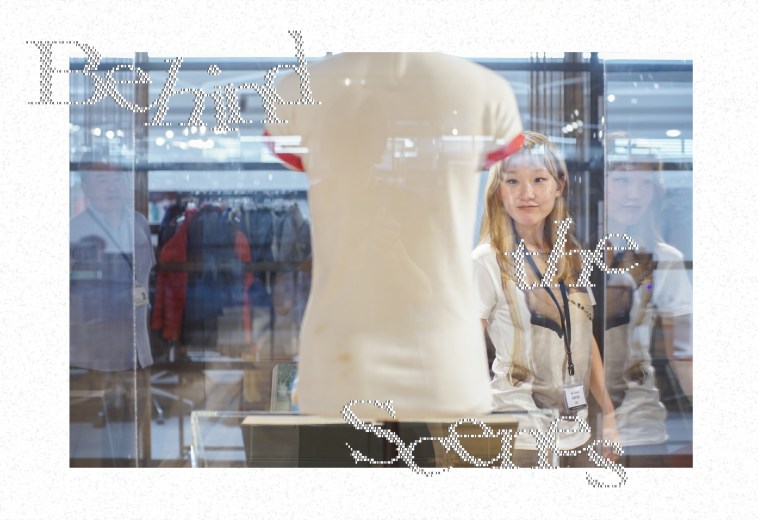
With the support of Epson, a partner company of the FASHION FRONTIER PROGRAM (FFP), this year’s semi-finalists visited the Solution Center Fujimi in Nagano Prefecture.
As they move toward the production phase of the program, FFP participants have been exploring both creativity and social responsibility from a variety of perspectives, deepening the ideas and questions behind their individual projects.
This visit provided an opportunity to connect those learnings with the realities of manufacturing. Through hands-on exposure to Epson’s technologies, including digital textile printing, participants explored how technological innovation can expand creative possibilities while reducing environmental impact.
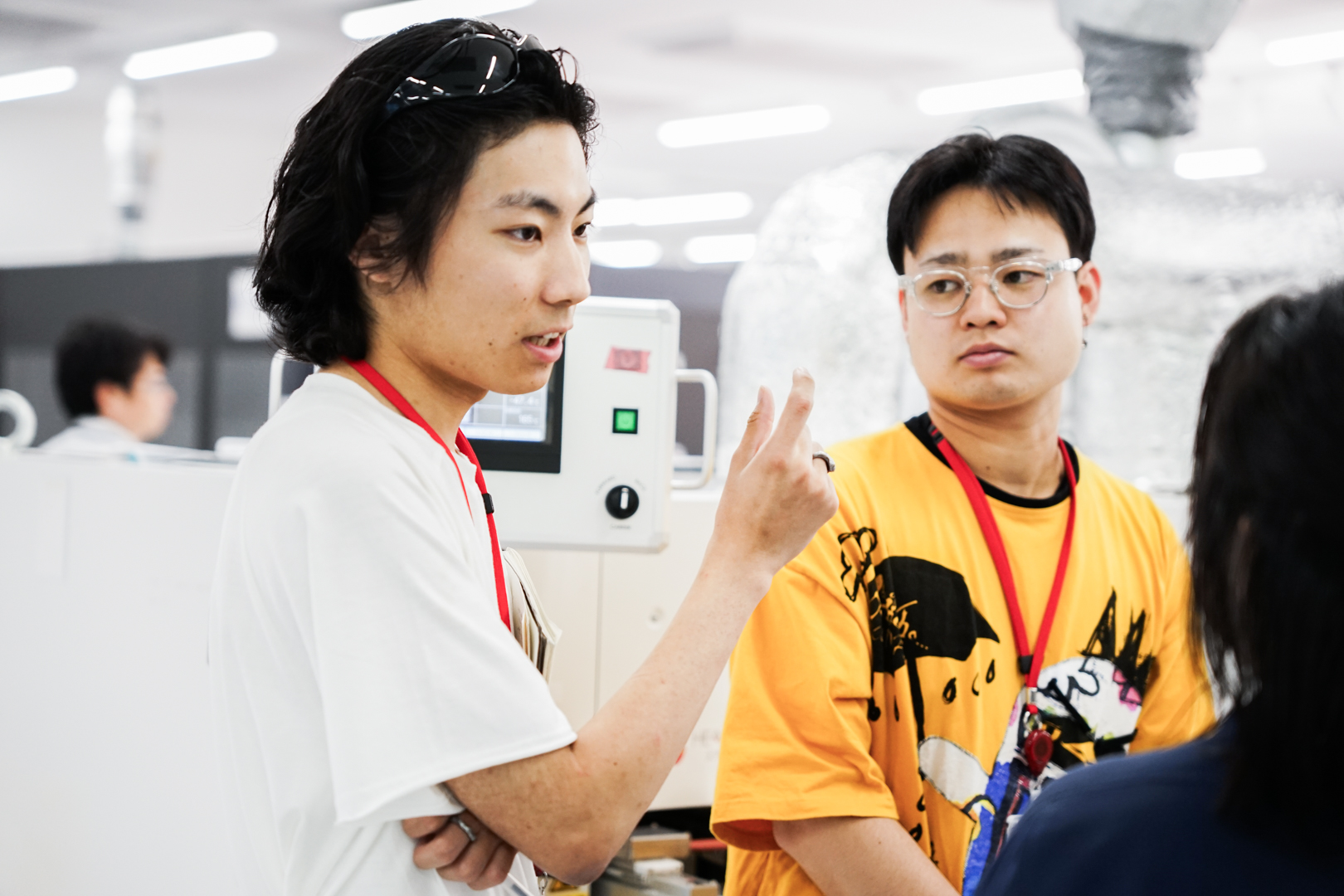
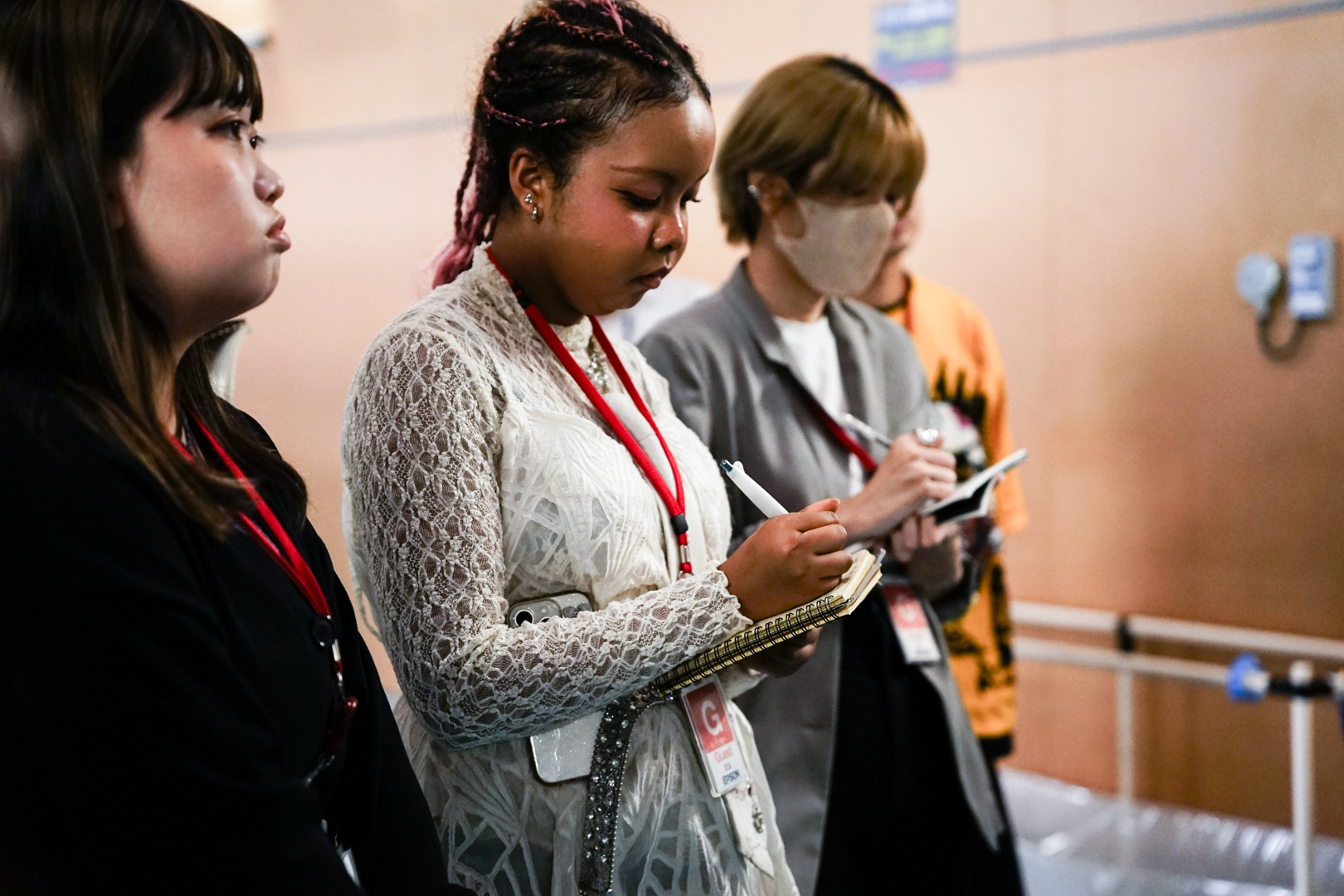
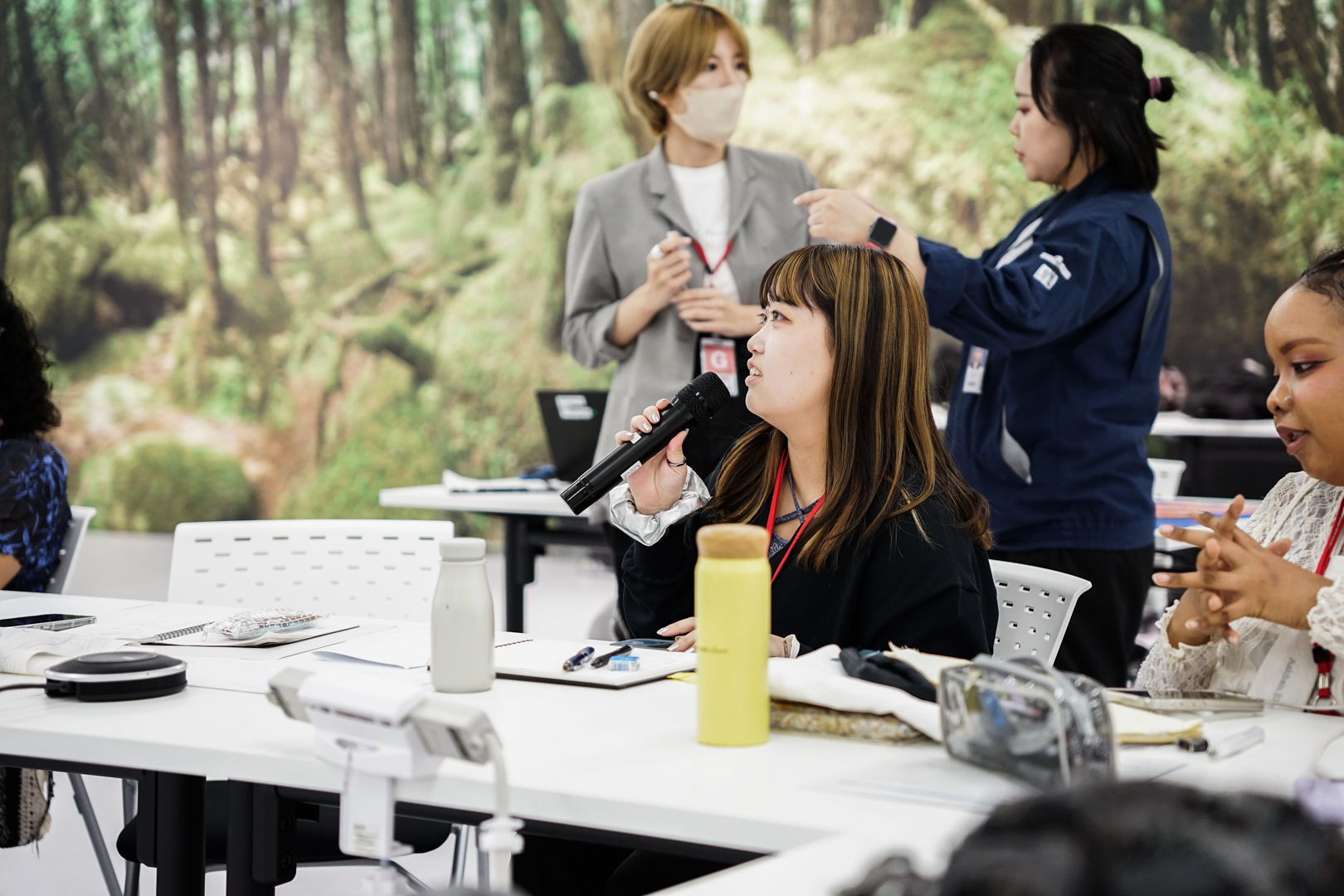
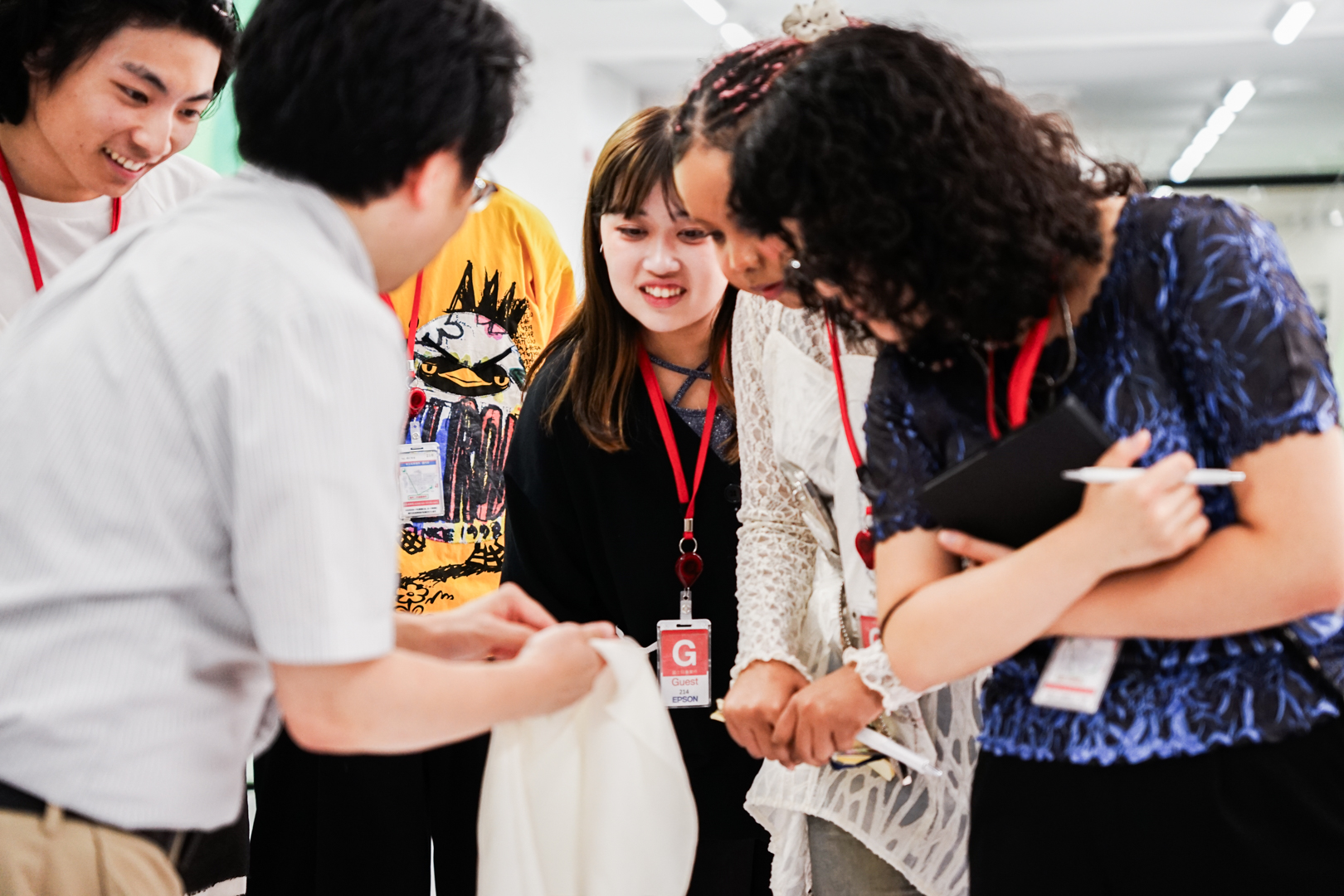
Through demonstrations of printing equipment and a wide range of samples, participants also explored how different materials affect color, texture, and print quality, as well as the relationship between inks and fabrics. They brought questions about their own textile research and materials currently being tested, leading to direct conversations with Epson engineers about how the characteristics of different technologies could be incorporated into their own work.
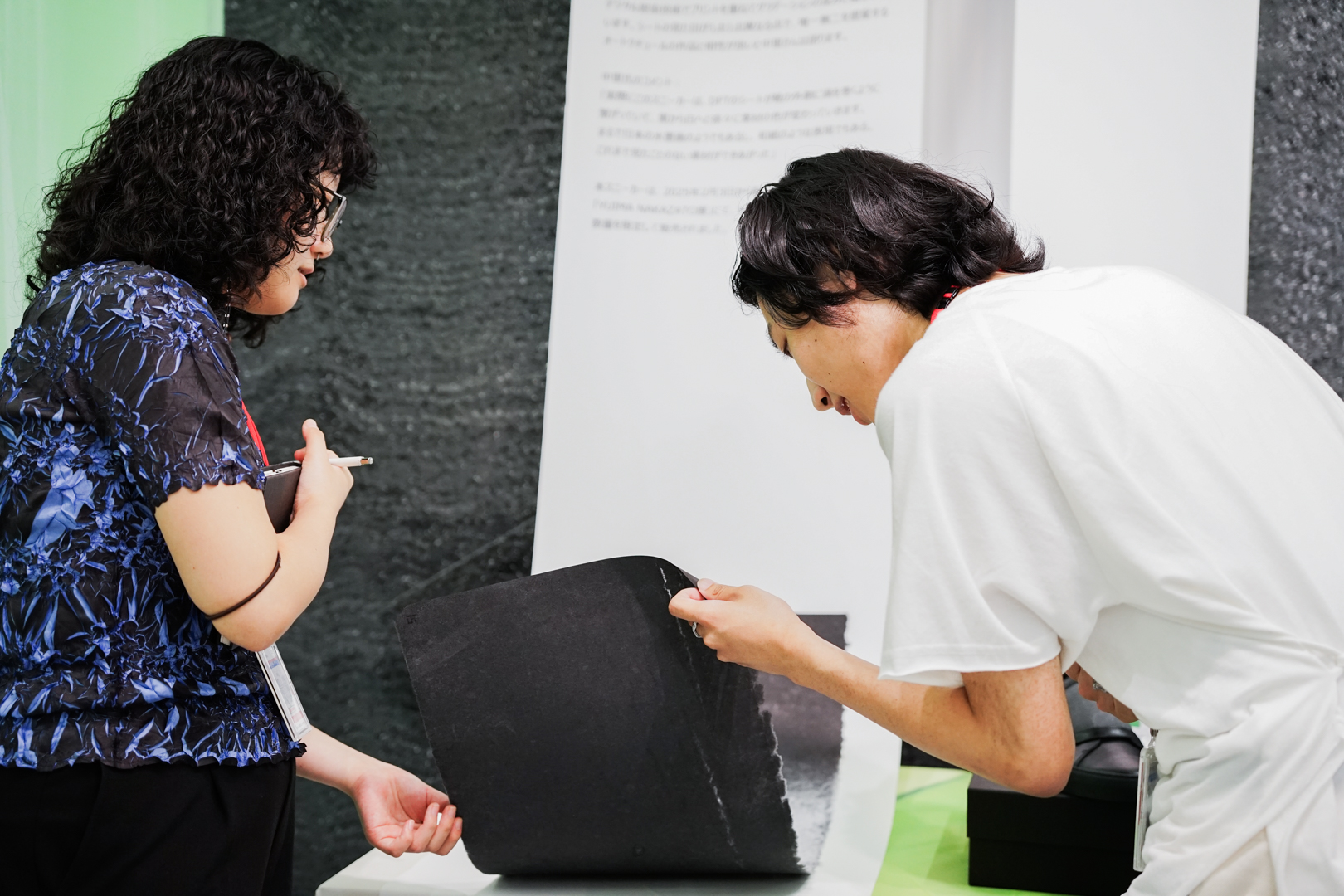
The visit also introduced Epson’s Dry Fiber Technology¹, which defibrates, bonds, and forms fibrous materials using virtually no water. By learning about both the challenges facing the textile industry, including water consumption and environmental impact, and the technologies being developed in response, participants were encouraged to consider not only what they create, but also what they create with and how they create it.
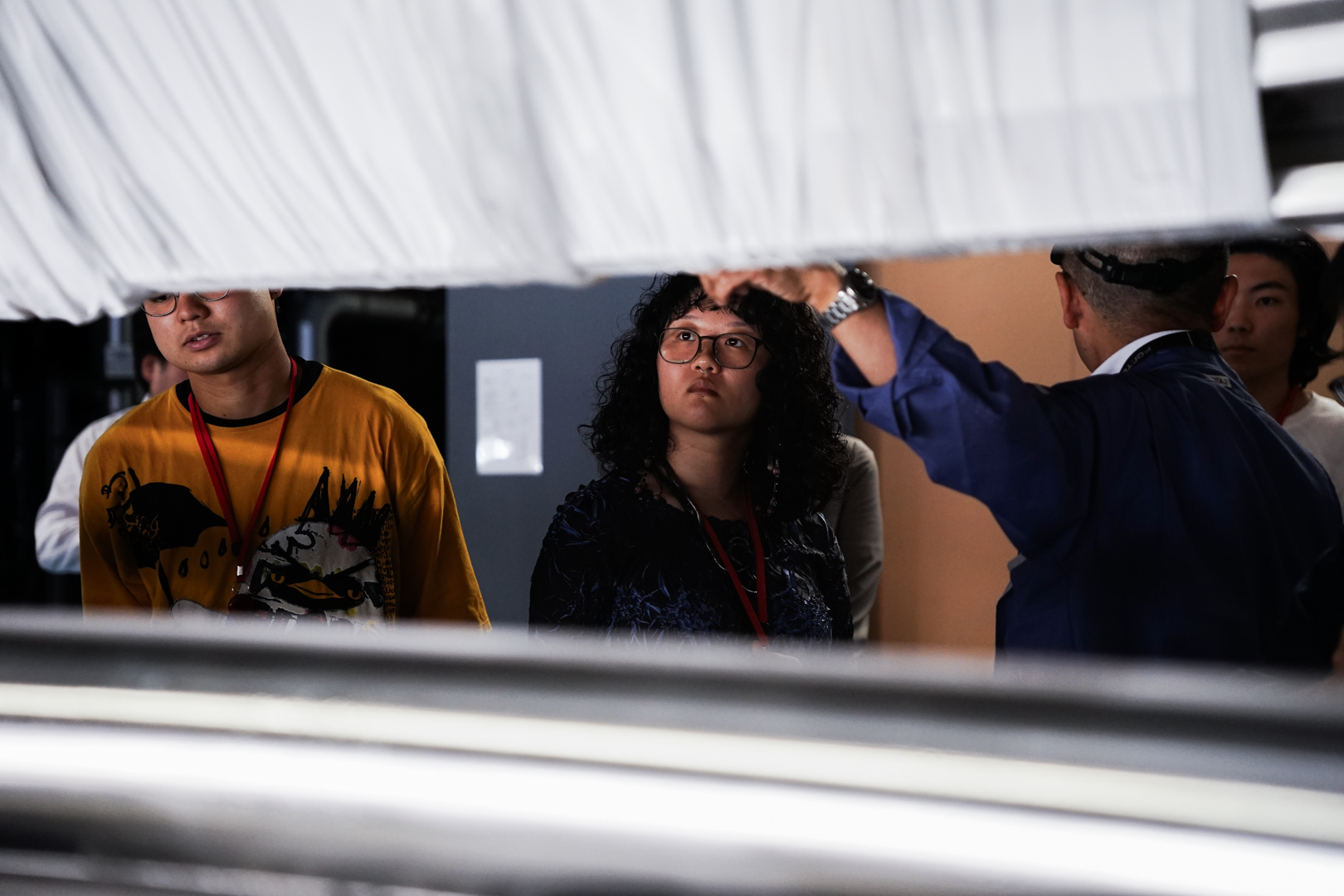

Even those who had previously worked with dyeing or digital printing discovered new perspectives by seeing the actual equipment and processes and revisiting fundamental knowledge, from the distinction between dyeing and printing to the relationship between inks and materials. Learning about the ongoing development of technologies designed to reduce environmental impact and risks to people involved in production also prompted one participant to reflect that they had gained a stronger sense of responsibility around the very act of choosing to print.
At the same time, every technology comes with its own characteristics.One of the most inspiring aspects of the visit was seeing examples of how these characteristics can be understood and leveraged to create new forms of expression. By showing their own research, textiles, and works in progress to Epson engineers and discussing what might be possible with each material, participants also began developing concrete ideas that could inform their upcoming work.
The question of “What do you want to communicate through pattern?” and “What do you want to communicate through color?” also encouraged participants to return to the intention behind their work and reconsider what they want to express before deciding which materials or technologies to use.
Understanding technology does more than expand the range of creative possibilities. It also encourages creators to ask why and how they choose to use it.
How will the semi-finalists translate the knowledge, new perspectives, and ideas gained through this visit into the next stage of their projects? At the Secondary Selection on September 12, they will present their updated proposals, shaped by the learning and experimentation they have undertaken throughout the program, and the finalists who will advance to the next stage will be selected.
We look forward to seeing how each participant’s creative vision continues to evolve.

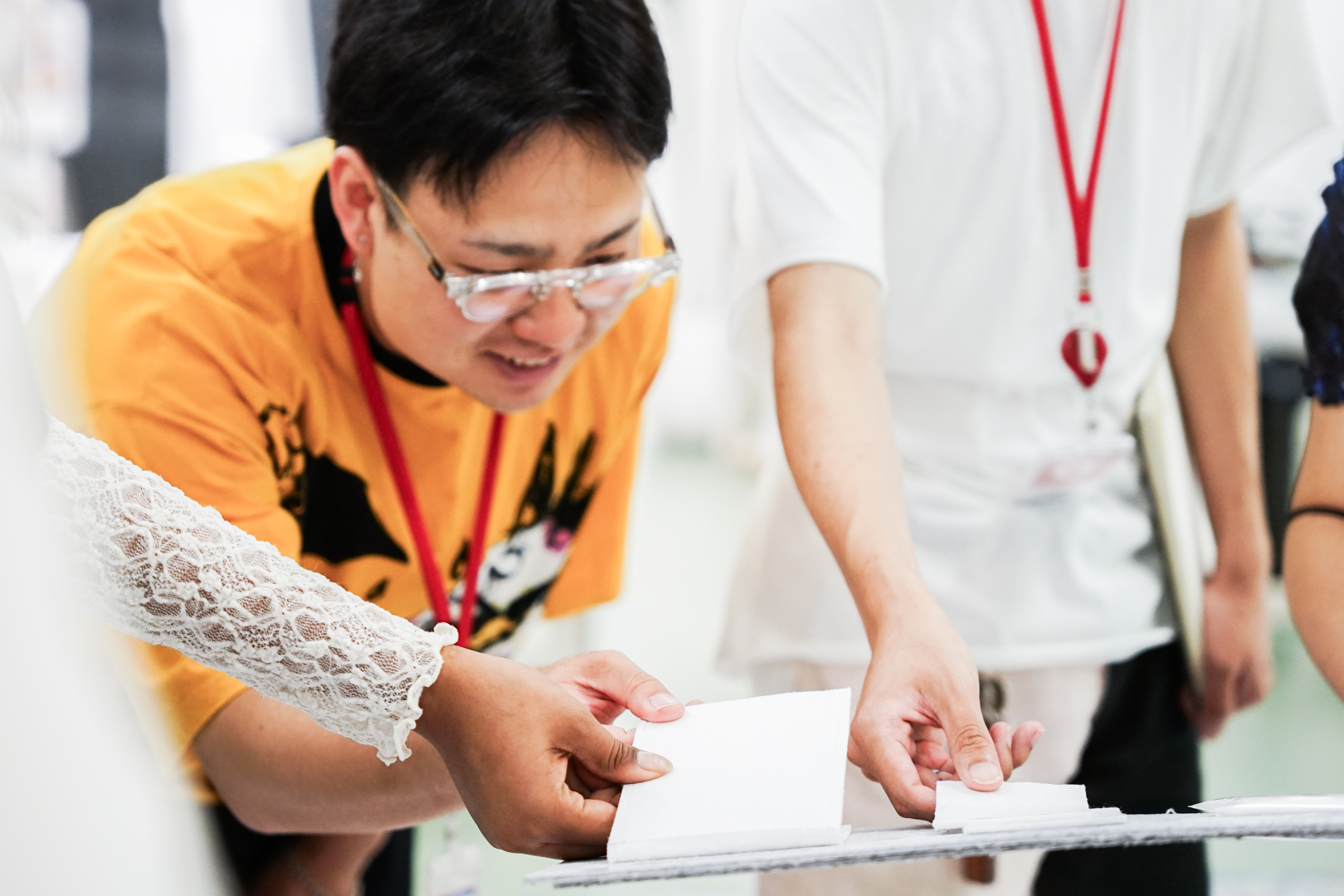
Through FFP, Epson engineers will continue to support participants from a printing and technical perspective as they explore ways to realize the ideas and intentions behind their work.
¹ Epson’s proprietary technology for defibrating a wide variety of materials for functional applications using very little water.

FOLLOW US
●○━━━━━━━━━━━━━━○●
For the latest information, please follow us on FASHION FRONTIER PROGRAM’s Instagram.
▶︎▶︎FFPInstagram https://www.instagram.com/ffp.jp/
Partner Companies: Goldwin Inc., Seiko Epson Corporation, Daimaru Matsuzakaya Department Stores Co.Ltd., YKK Corporation
Endorsement: Ministry of the Environment, Government of Japan