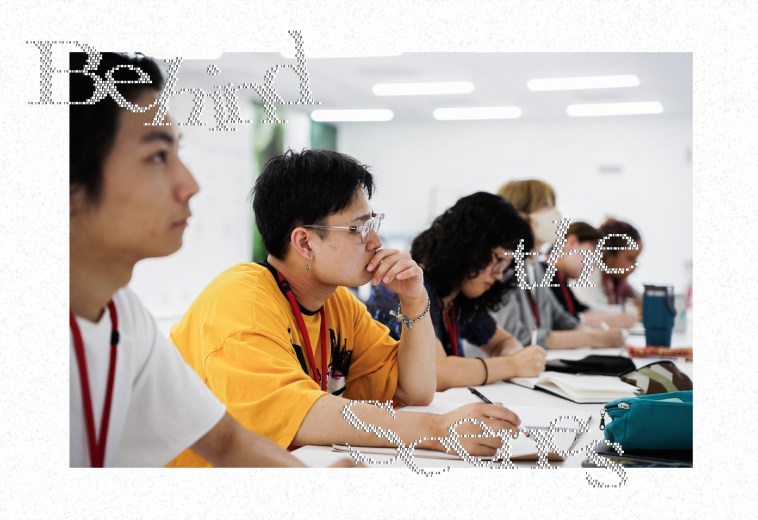
On September 12, 2026, the FASHION FRONTIER PROGRAM 2026 Secondary Selection was held.
After approximately a month and a half of learning, dialogue, and exploration, 16 semi-finalists presented the questions they had been developing for society—and how they hoped to express those questions through fashion.
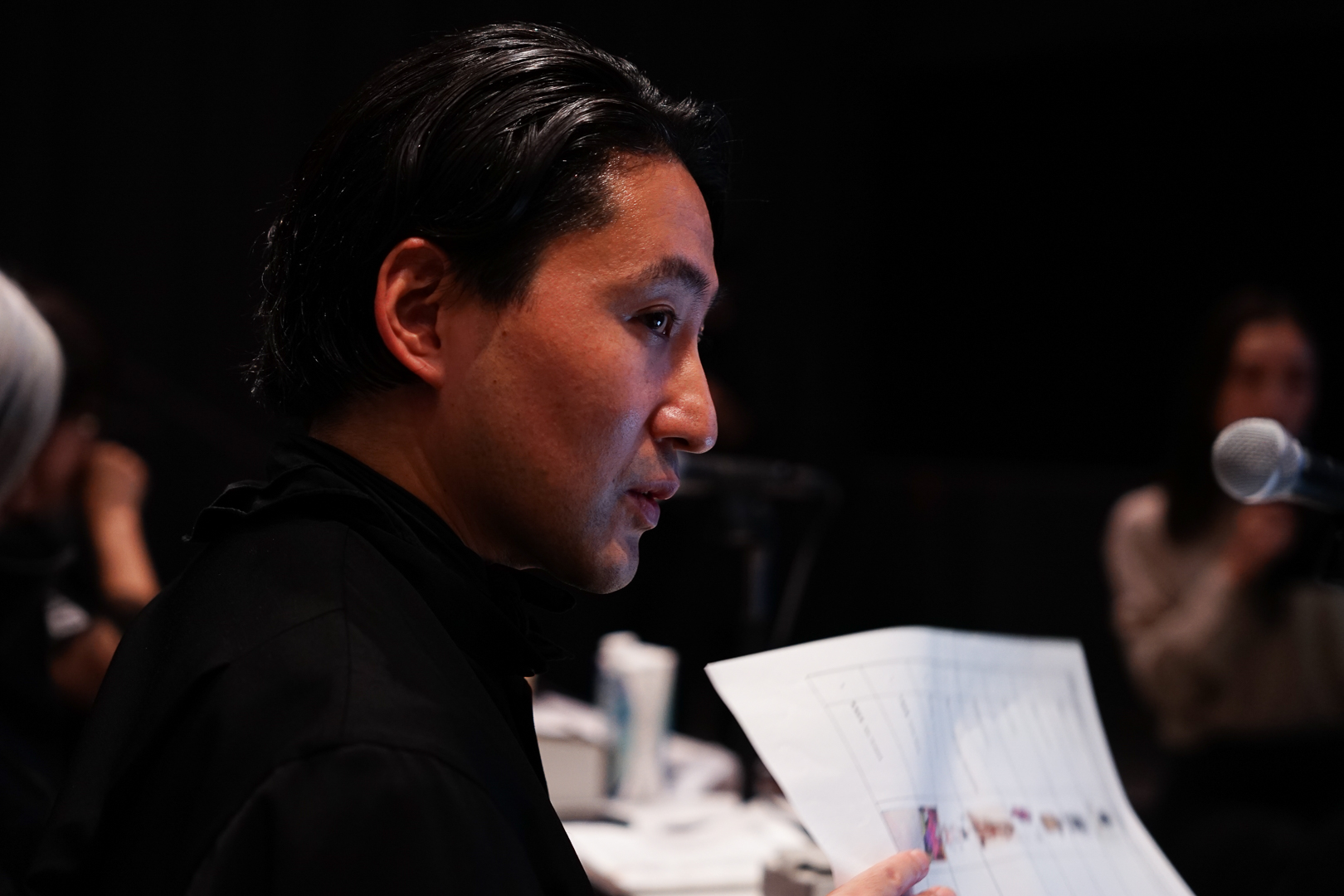
When the presentations ended, the jurors gathered for deliberation.
What they discussed was not simply which works were “better” than others.
Why this material?
How can a personal experience open up to society?
How can a compelling concept become clothing?
And how can we see future potential in an expression that is still unfinished?
Through the 16 presentations, the discussion revealed different perspectives on what fashion can express—and what we look for in those who create it.
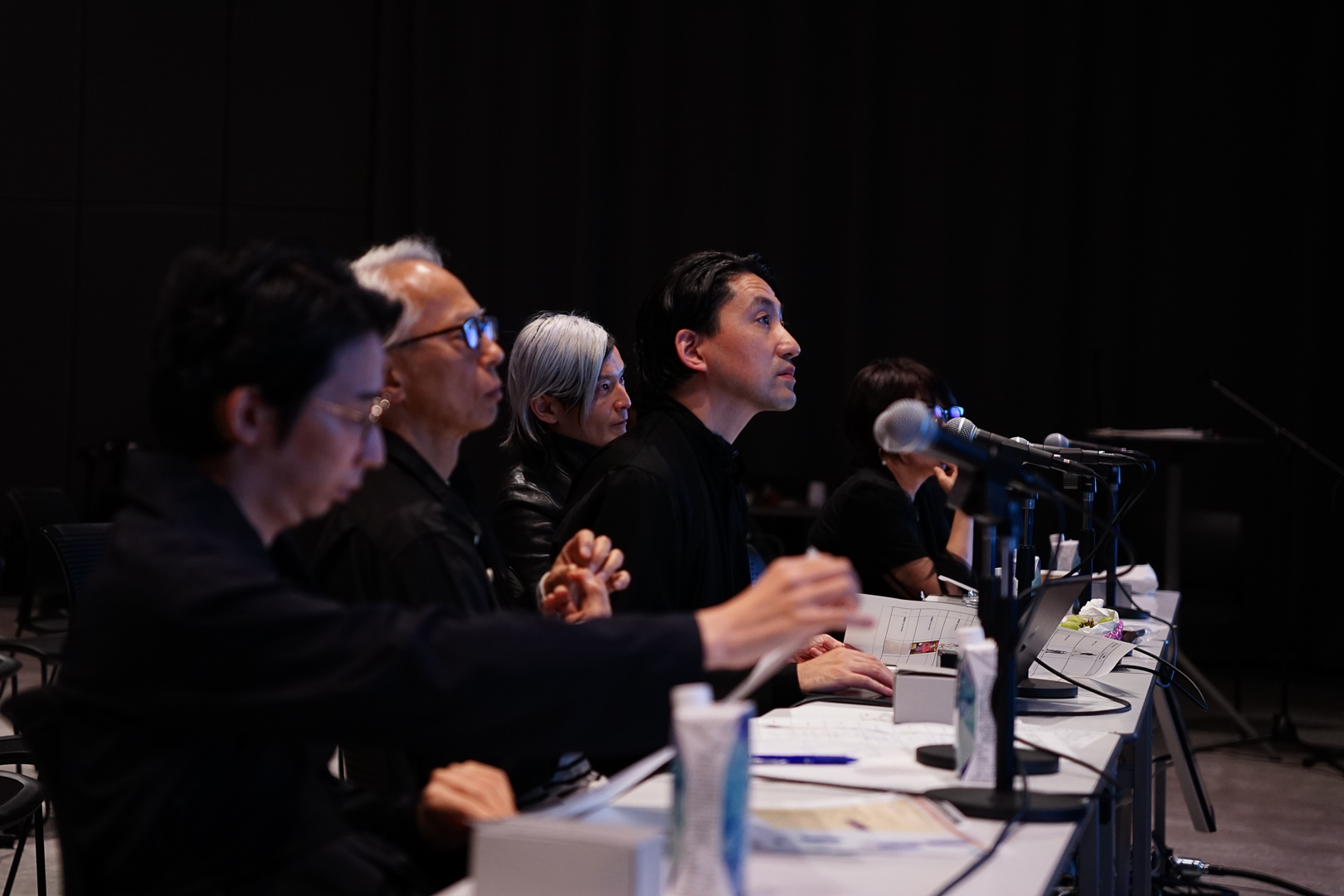

Throughout the deliberation, the jurors repeatedly returned to one fundamental question: Why does this work need to exist?
Because the material is environmentally conscious.
Because the technology is new.
Because social issues are important.
These reasons alone do not necessarily explain why something needs to be expressed through fashion.
Why are you engaging with this subject? Why this particular material? And why should the idea take the form of clothing?
Many presentations began with personal experiences—memories of family, experiences of work, feelings toward the body, or connections to particular places and cultures.
The jurors saw potential when these personal stories began to open outward and connect with broader questions in society.
But being personal does not automatically make an expression powerful.
How deeply can you examine your own experience? And how can you transform it from your story into a question that others can also enter?
The jury looked closely at how far each participant’s personal starting point had developed into something that could speak beyond the individual.
Another recurring discussion was the relationship between an idea and its final expression.
The research may be fascinating.
The material may hold great potential.
The story may be powerful.
And yet, the final garment may still be difficult to imagine.
At FFP, having a question and expressing that question through fashion are inseparable.
What can be communicated through material, silhouette, movement, and the relationship between clothing and the body? How can research and ideas become something that can actually be worn?
Because the Secondary Selection takes place while the works are still developing, the jurors looked not only at what existed in front of them, but also at what each work might become.

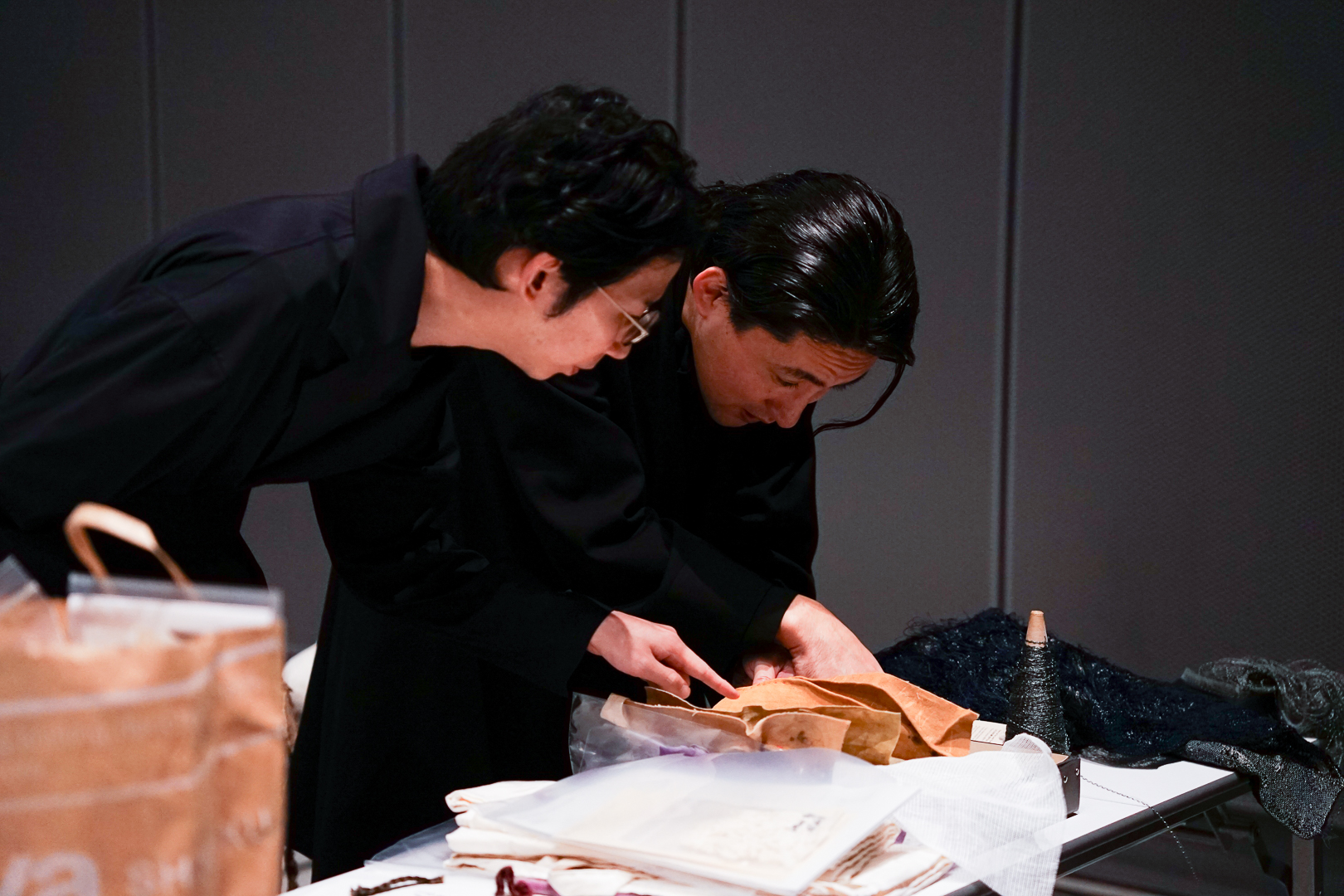
An unfinished work is not necessarily a work without possibility.
There may still be technical challenges.
The concept may remain abstract.
The final form may not yet be visible.
But “not yet” can also be where possibility begins.
Could collaboration with someone who has different skills unlock the idea? Could feedback transform the work in the months ahead?
In fact, the jurors had already seen significant development in some participants during the month and a half leading up to the Secondary Selection.
They were looking not only at finished outcomes, but at work in the process of becoming.
FFP is not only a program that selects works. It is also a place for people to question, learn, experiment, and grow.
The jury therefore considered both what participants can do now and what they might become capable of next.
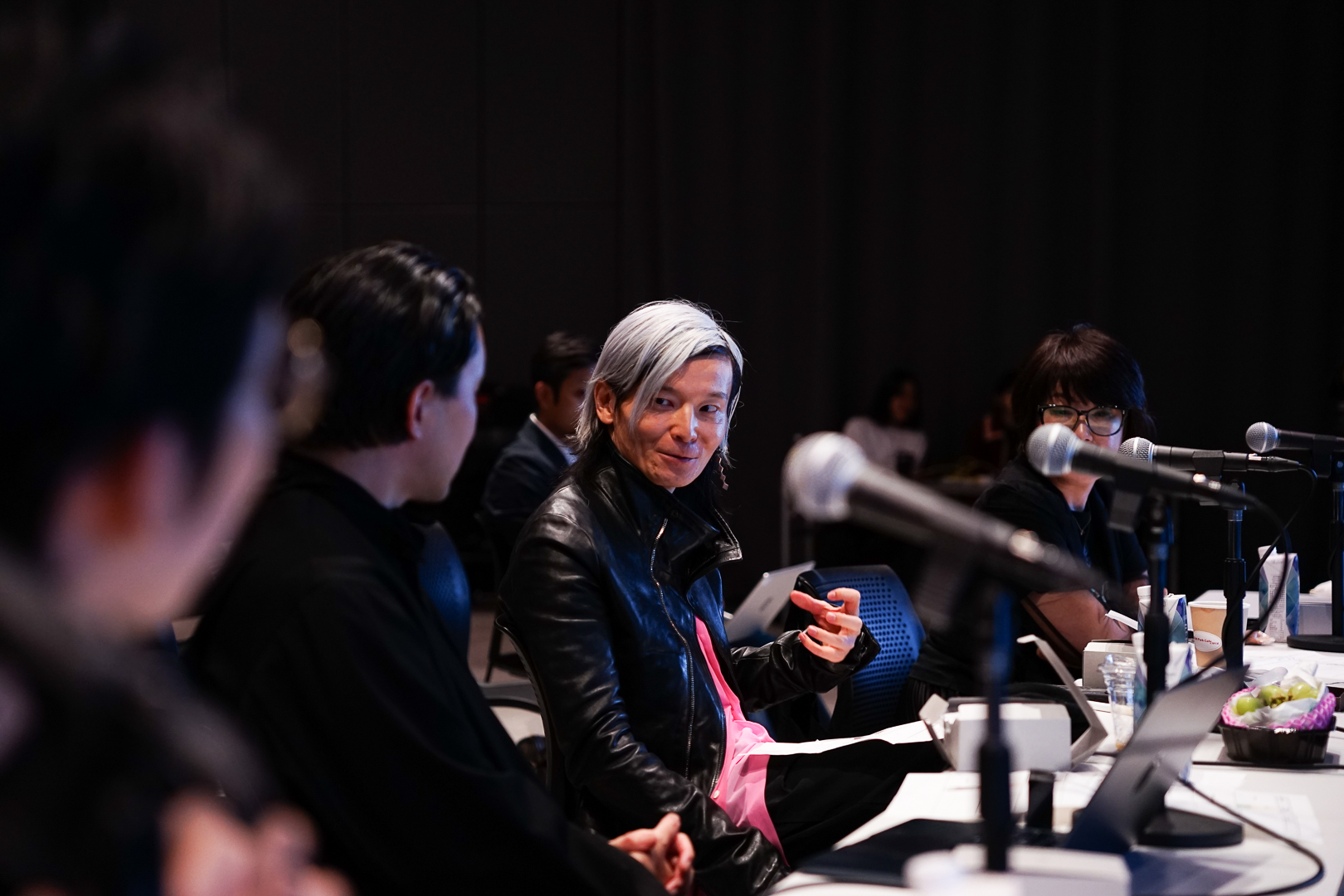
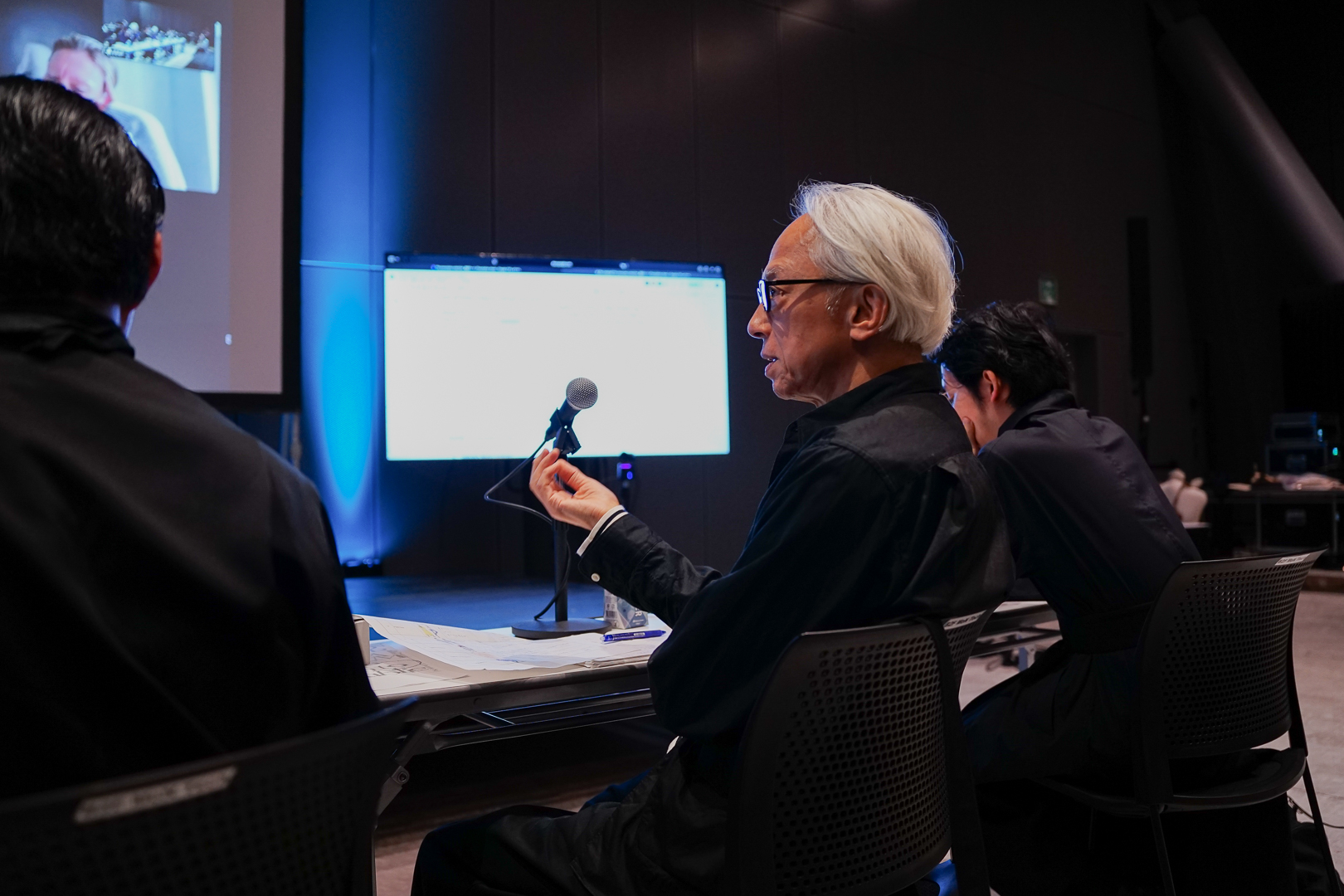
Several of this year’s semi-finalists incorporated digital technologies such as 3D printing into their proposals.
But the discussion was not simply about whether the technology was new.
Who can participate in making because of this technology?
Can it change the relationship between designers and users?
Can collaboration make possible something that one person could not achieve alone?
The jurors looked beyond technological novelty toward the relationships and systems it could create.
A designer does not need to do everything alone.
Knowing how to collaborate with people who possess different skills and knowledge may itself be an increasingly important part of design.
The jurors also returned to another essential question:
Will the final work be beautiful? Will it become something people want to wear?
Social questions and beauty do not have to stand in opposition.
Material, color, form, and the way a garment sits on the body can carry an idea somewhere that words alone cannot reach.
A fascinating concept can lose its strength when translated into clothing. But beauty can also draw people closer to a question they might otherwise never encounter.
That is why what a designer is thinking about and how that thought ultimately takes form matter equally.
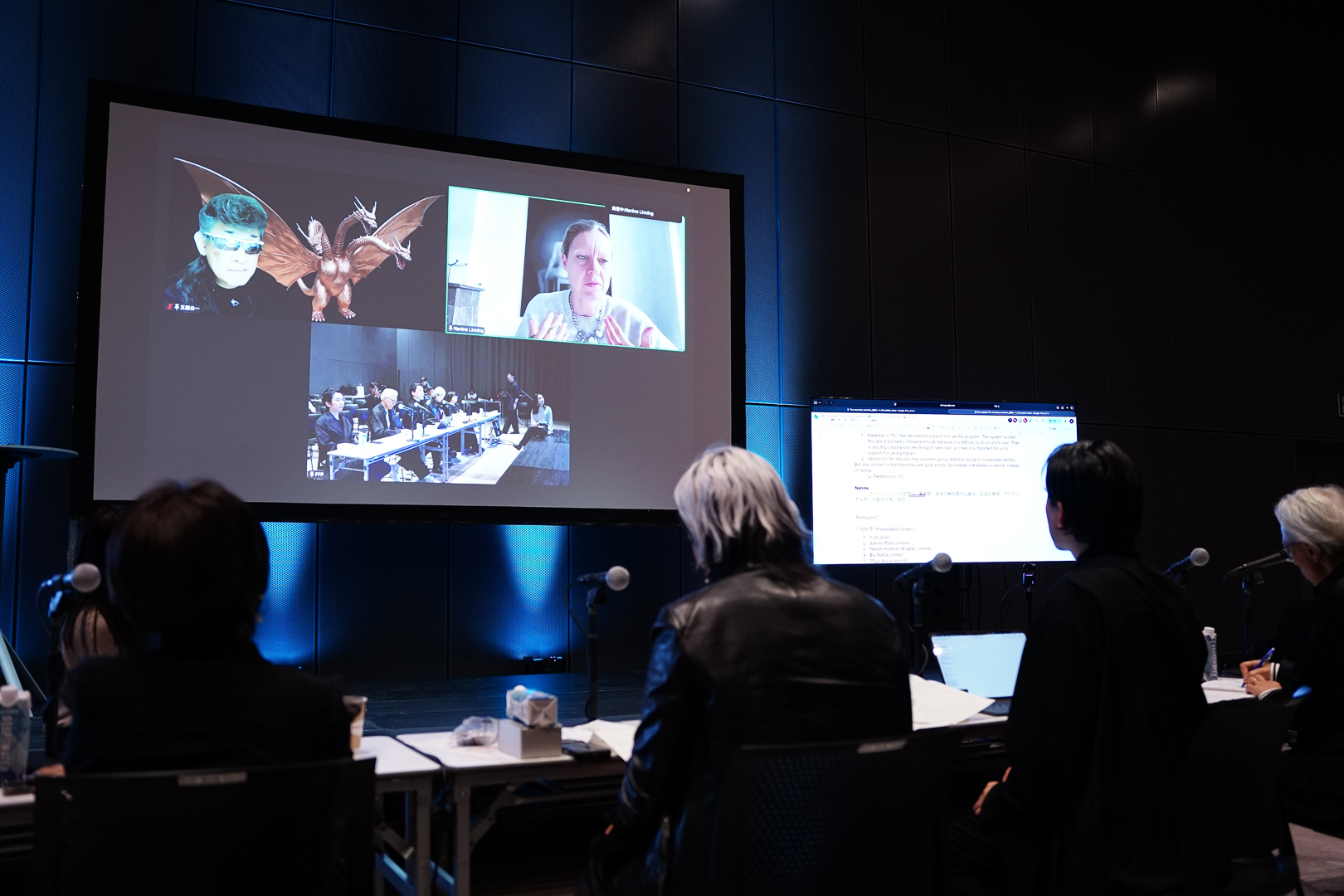
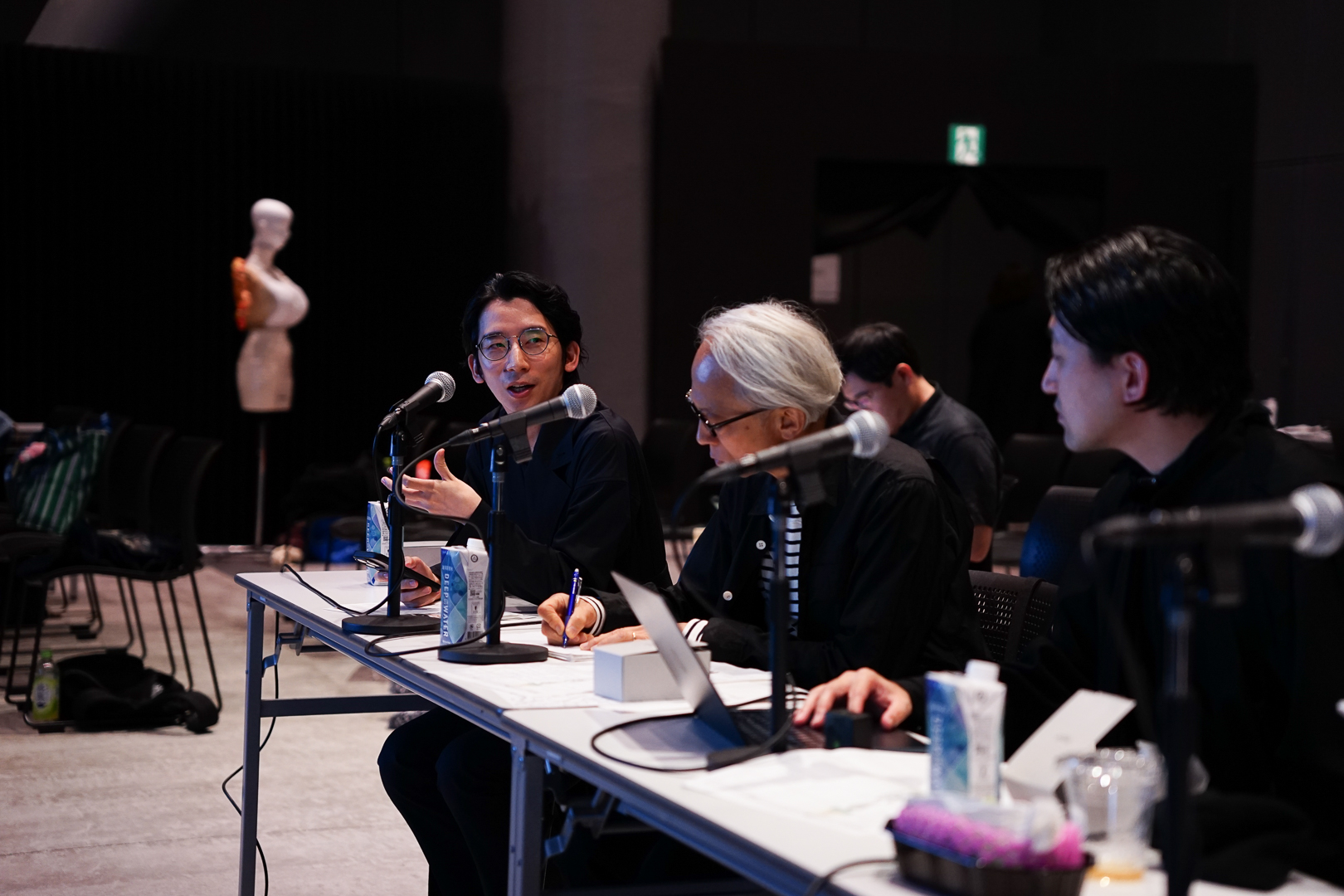
As the jurors discussed the 16 presentations, the conversation gradually expanded beyond the individual works.
In the age of AI, what does it mean for human beings to make things?
One word that emerged was “failure.”
Human beings touch materials, experiment, make mistakes, and try again. Sometimes, through those failures, we discover forms of expression we could never have imagined at the beginning.
Making is also an experience of the body.
We touch, concentrate, become tired, rest, and spend time creating. Behind every finished work are countless gestures, decisions, accidents, and hours that may no longer be visible in the final object.
But preserving human creativity does not mean rejecting technology.
Some proposals this year suggested that digital tools could help people overcome physical limitations, share knowledge, and create together in new ways.
Craftsmanship or technology.
Perhaps the question is not which one we should choose, but what kinds of relationships we want technology to create—between people, materials, and society.
What began as a discussion of 16 individual expressions gradually became a discussion about the future of creativity itself.
The eight finalists selected through the Secondary Selection will now move into the full production phase toward the Final Selection on December 12.
But selecting eight finalists was not the only outcome of this day.
The jurors considered what had already taken shape, what was still missing, and what might emerge from those spaces that were not yet complete.
And the questions raised through this process belong not only to the finalists, but to all 16 participants.
How can personal experience open up to society?
How can an idea become an expression worn on the body?
What should technology make possible?
And in an age when AI is changing the meaning of “making,” why do we choose to make fashion?
The Secondary Selection did not leave us with a single answer.
It left us with questions—questions that will continue to evolve through research, dialogue, failure, and making, leading each creator toward what comes next.
FOLLOW US
●○━━━━━━━━━━━━━━○●
For the latest information, please follow us on FASHION FRONTIER PROGRAM’s Instagram.
▶︎▶︎FFPInstagram https://www.instagram.com/ffp.jp/
Partner Companies: Goldwin Inc., Seiko Epson Corporation, Daimaru Matsuzakaya Department Stores Co.Ltd., YKK Corporation
Collaborating Institution:MoN Takanawa: The Museum of Narratives
Endorsement: Ministry of the Environment, Government of Japan