●○━━━━━━━━━━━━━━○●
Lecturer / Theme
●○━━━━━━━━━━━━━━○●
Lecturer: Ms. Tara Maurice (Coachtopia circular design strategist)
Theme: The Urgency to Design a Circular Fashion System
●○━━━━━━━━━━━━━━○●
Profile
●○━━━━━━━━━━━━━━○●
Tara is working with Coachtopia, a sub-brand of Coach, to help create a circular business model from concept to systematic closed-loop system designs. She is also an adjunct professor at LIM, an educational institution specializing in the fashion business, where she teaches sustainability to aspiring fashion students and future designers at Parsons School in New York City.
●○━━━━━━━━━━━━━━○●
Lecture Outline
●○━━━━━━━━━━━━━━○●
Sustainability is not about materials, it’s about systems. Sustainability is not a selling point, but a question to rethink the system. Not only fashion, but all manufacturing on the planet is based on this linear system of extracting materials from the earth, producing them, using them, and discarding them. It means that we are in a system of making things to throw away. A circular system means extracting new materials and minimizing the final disposal. In order to achieve this, designers and craftsmen (people involved in manufacturing) need to be closer to each other, and through dialogue, make the best use of what is already available, or through dialogue between consumers and designers, make a piece of clothing more durable and loved.
●○━━━━━━━━━━━━━━○●
Key Points Learned
●○━━━━━━━━━━━━━━○●
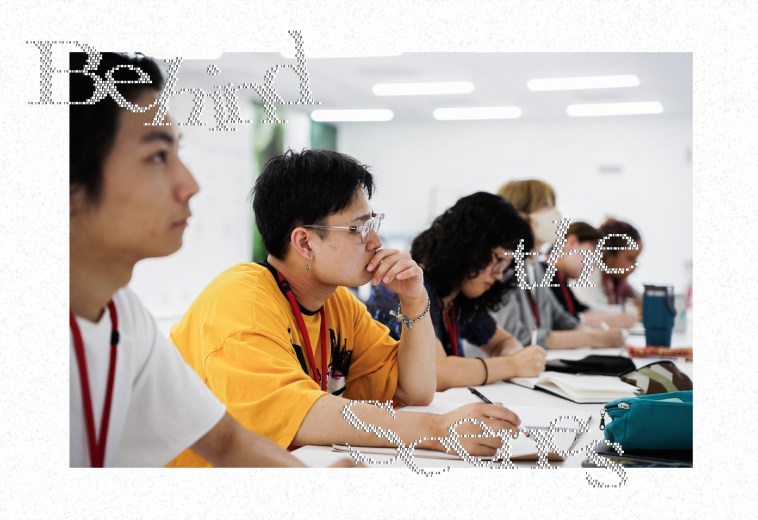
Some of the key points that were learned by the semi-finalists who attended the course and last year’s winners are listed below.
Many participants expressed their shock at the fact that ‘the total weight of manufactured things exceeds the life on earth’ during the lecture.
Furthermore, those who deeply sympathized with the idea that ‘fashion has become “a system of making things in order to throw them away”’ seemed to have gained the viewpoint that ‘it is “not enough to use eco-friendly materials”, but it is essential to review the system itself in order to break away from the fashion that is just make-and-forget mentality.’ It is essential to review the system itself in order to move away from the fashion that ends after it is made. This seemed to motivate the participants to ‘try a production method that places importance on system design before clothing design.’
Another participant was impressed by the perspective of considering the entire system. Previously, one had ‘primarily on raw materials.’ and ‘were interested in whether they were biodegradable, ethically sourced, and beneficial to a particular community.’ In the future, she would like to consider ‘building a recycling system for clothing’ as a challenge, ‘not only to ensure that the concept is sound and that the silhouette and fit are balanced, but also to consider the longevity of the garment and whether the pattern and design can be reused when the garment’s life is over.’ She would like to think about how to take a new approach to your design. We look forward to seeing how their new approach to design will turn out.
Some of the participants also reflected on how they had been struck by the fact that ‘consumption behavior has changed dramatically over the past 20 years, but the supply chain has not.’ This was a perspective that one had not been aware of before, and one of semifinalist felt that “this is probably one of the major causes of labor exploitation, and I would like to conceive of solutions with this in mind. From this point of view, the one considered the possibility of ‘encouraging buyers to use products for a long time by repairing them themselves, and at the same time, users will become attached to the products by taking the trouble to repair and remake them themselves, which will influence the way other companies treat their products by making repair and remake more familiar and habitual.’
It seem like for those who believe that “if something is a well-made product, material, or design that lasts even longer the human lifespan, its value will stand the rest of time”, this seminar impacted them in way that they would want to continue diving deeper into the theme of “what people really need in the future in terms of centuries, and not just what they need in the upcoming decades.”
●○━━━━━━━━━━━━━━○●
FOLLOW US!
●○━━━━━━━━━━━━━━○●
We will continue to provide an overview of each lecture and what the semifinalists learned from it.
For the latest information, please follow us on FASHION FRONTIER PROGRAM’s Instagram!
▶︎▶︎FFP Instagram https://www.instagram.com/ffp.jp/