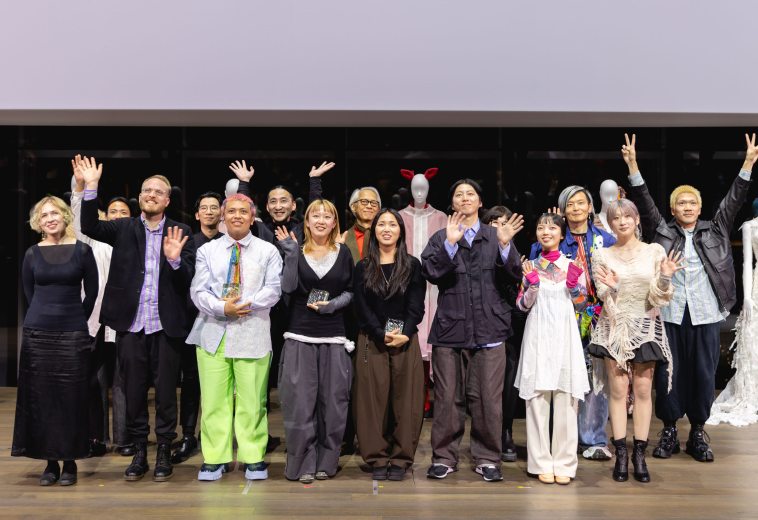
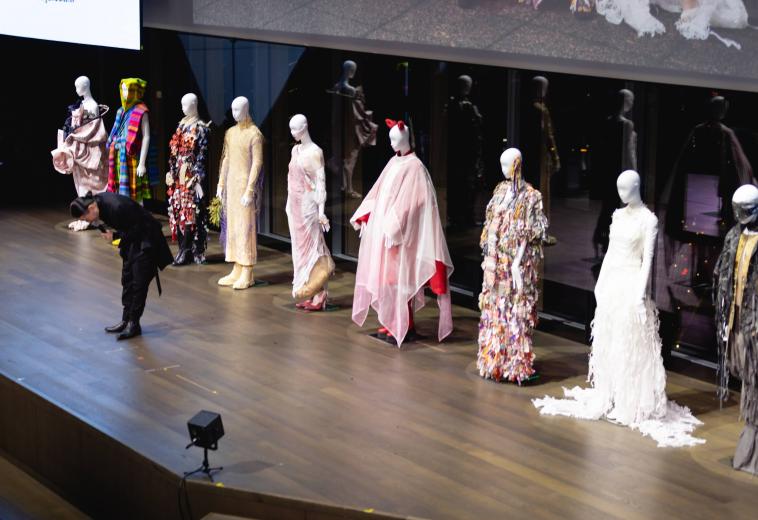
Instead, it opened into a conversation.
Reflecting on the past five years, the jury gathered to speak—not only about the evolution of the FASHION FRONTIER PROGRAM, but about what lies ahead.
What should we expect from the creators of tomorrow?
Somewhere in their words, there were clues.
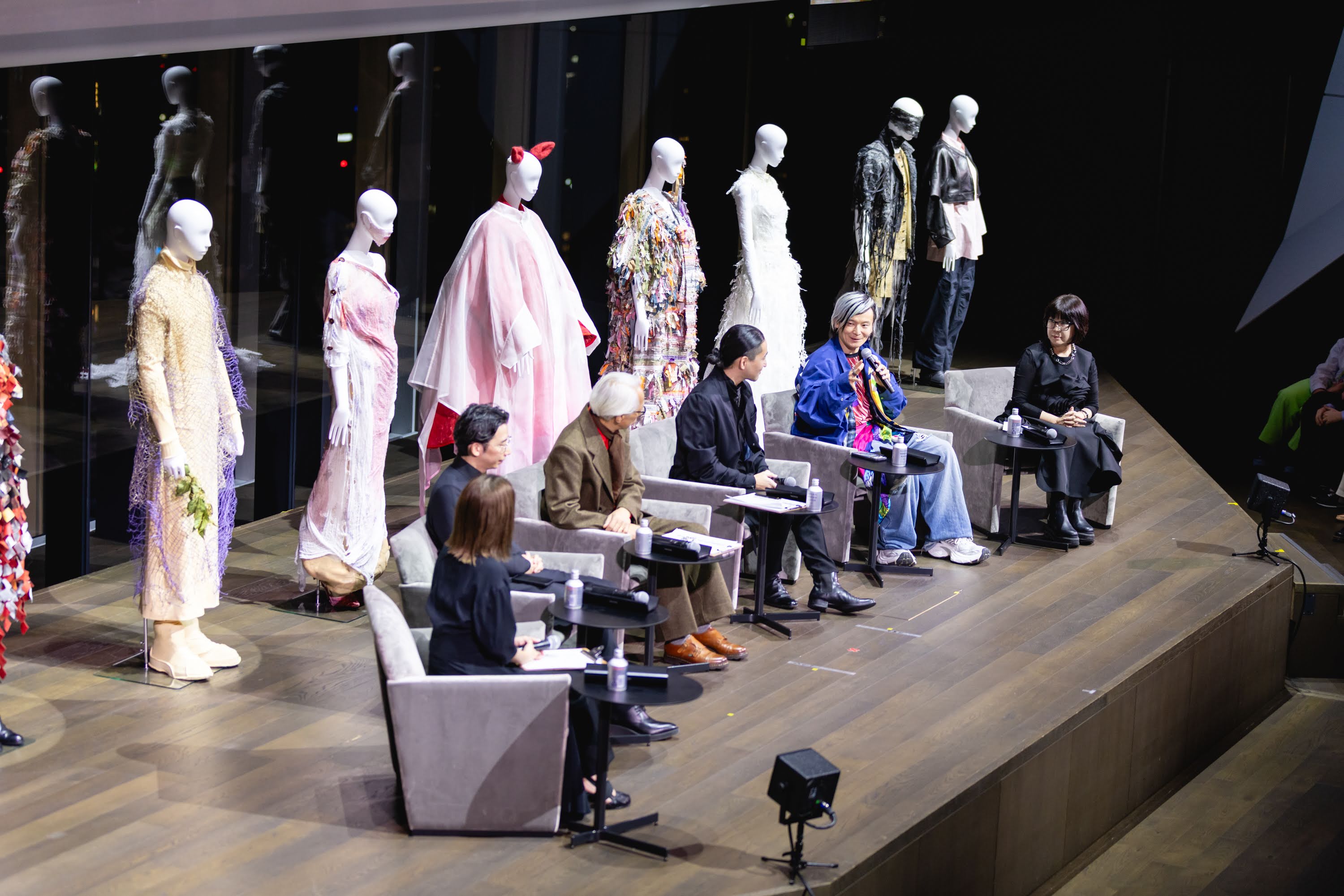
From Materials to Meaning
When the FASHION FRONTIER PROGRAM first began around 2020, conversations around fashion were increasingly shaped by concern over environmental impact.
Solutions were often framed through materials—eco-friendly fabrics, recycling, upcycling.
Many applicants responded accordingly, approaching sustainability through technique.
But something has shifted.
More and more, designers are not only working with materials, but with meaning—connecting personal emotion to wider social contexts.
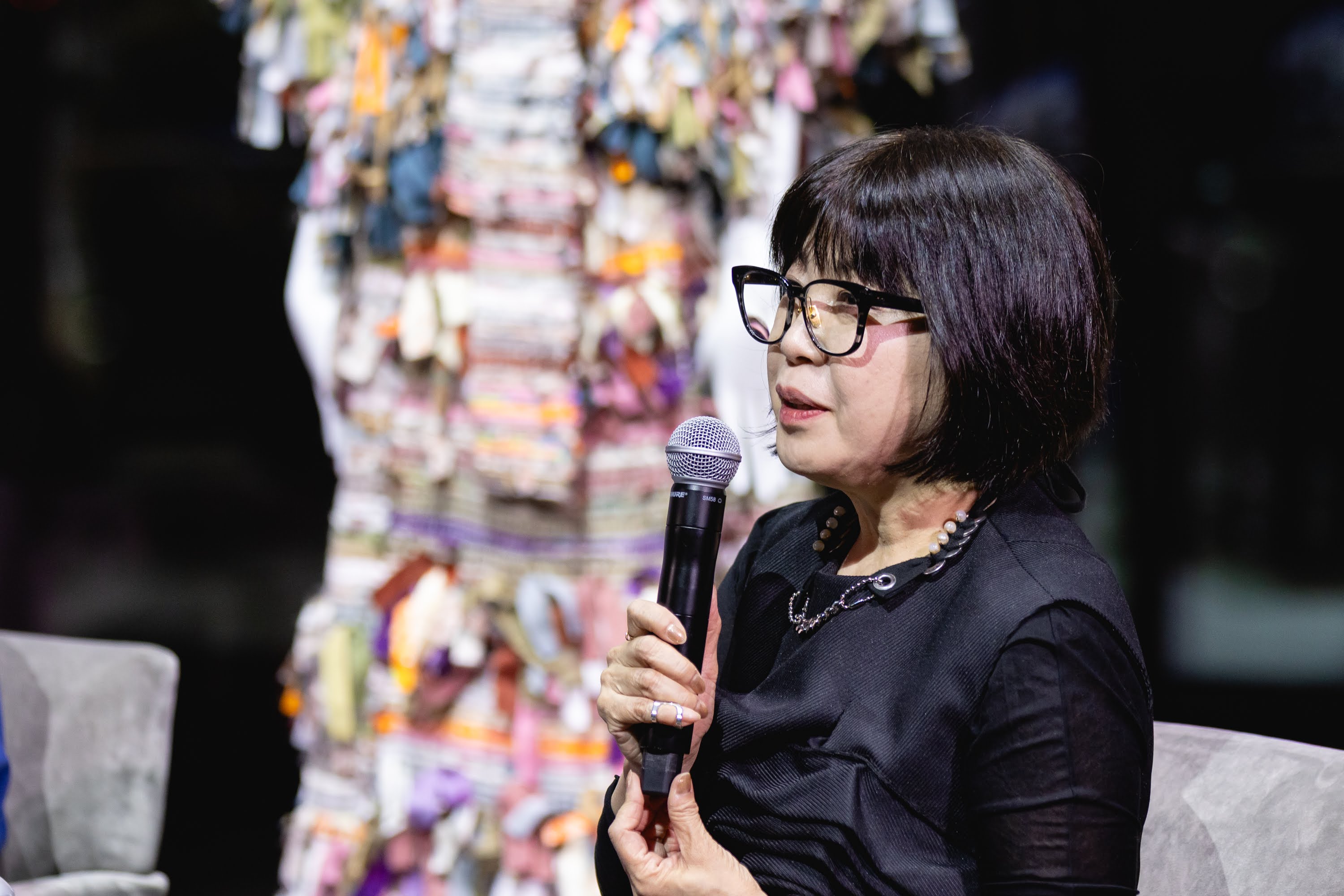
As Mitsuko Watanabe observed:
“Five years on, each designer’s way of engaging with creativity and society is emerging in ways that genuinely move us.”
This shift signals a deepening—not a rejection—of sustainability, but an expansion of it.
Hiroaki Miyata reflected on what had been missing:
“Discussions on sustainability often overlooked the joy of wearing clothes, and the connections formed through communities.
The question now is: how do we carry our roots—our climate, our culture—into the future, in a way that feels personal?
Within this program, we are already beginning to see that.”
Responsibility as Practice
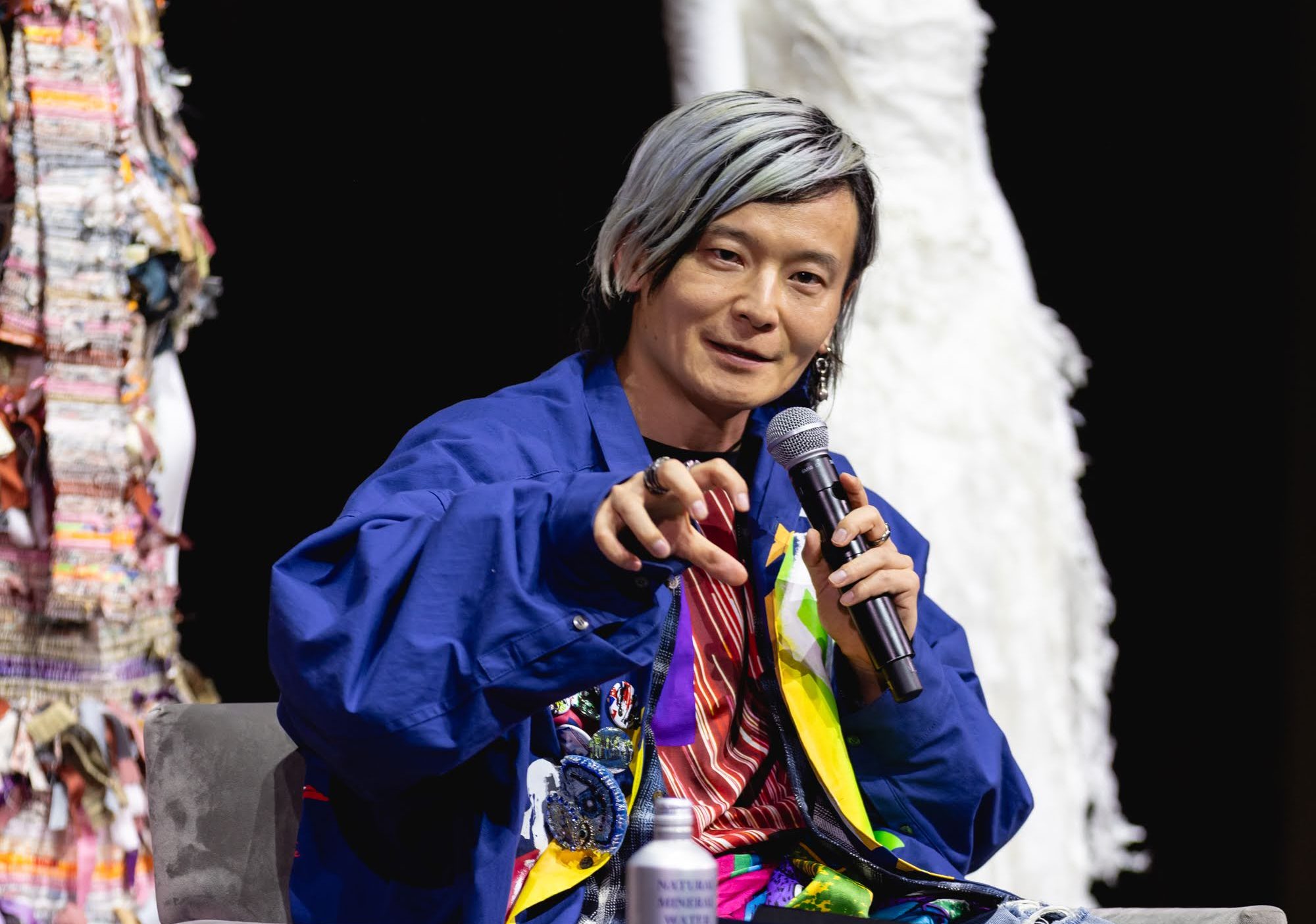
For Yuima Nakazato, the act of making is inseparable from responsibility:
“As designers, we must create with a full awareness of the responsibility of bringing something into the world.”
But this responsibility is not abstract.
It lives in decisions.
“If we begin to shift each decision within the process of making—even in small ways—we can change the future.”
This is where the FASHION FRONTIER PROGRAM distinguishes itself—not as an award alone, but as a space for learning, for reflection, for recalibration.
A Growing Community
Over time, something else has emerged.
Not just individual designers—but a network.
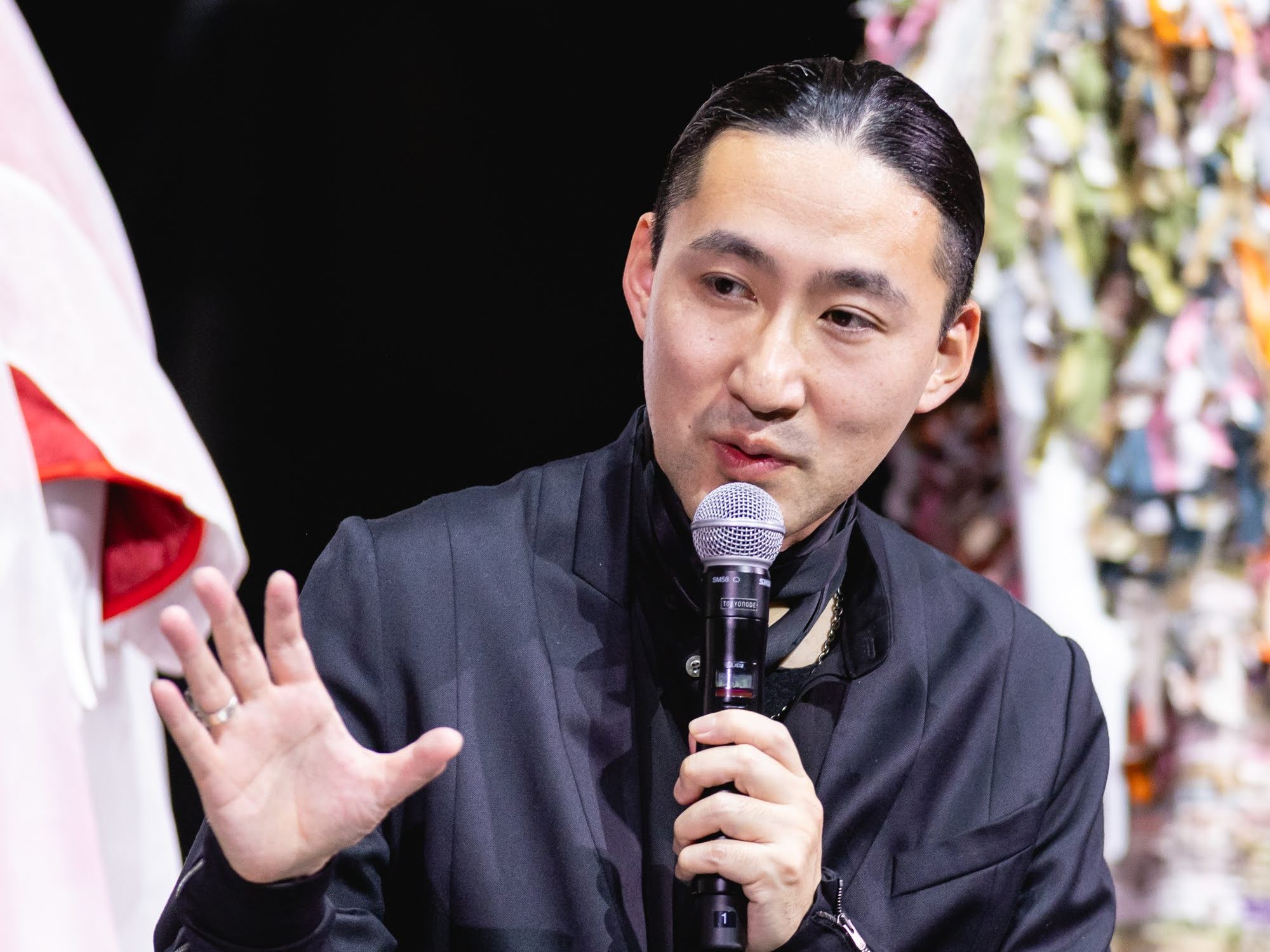
Participants, jurors, and partner organizations have formed an evolving ecosystem, one that Miyata describes as:
“A community.”
And more than that:
“When the initiatives of FASHION FRONTIER PROGRAM are woven into society, they gain deeper meaning.
It is becoming a platform that connects to the future.”
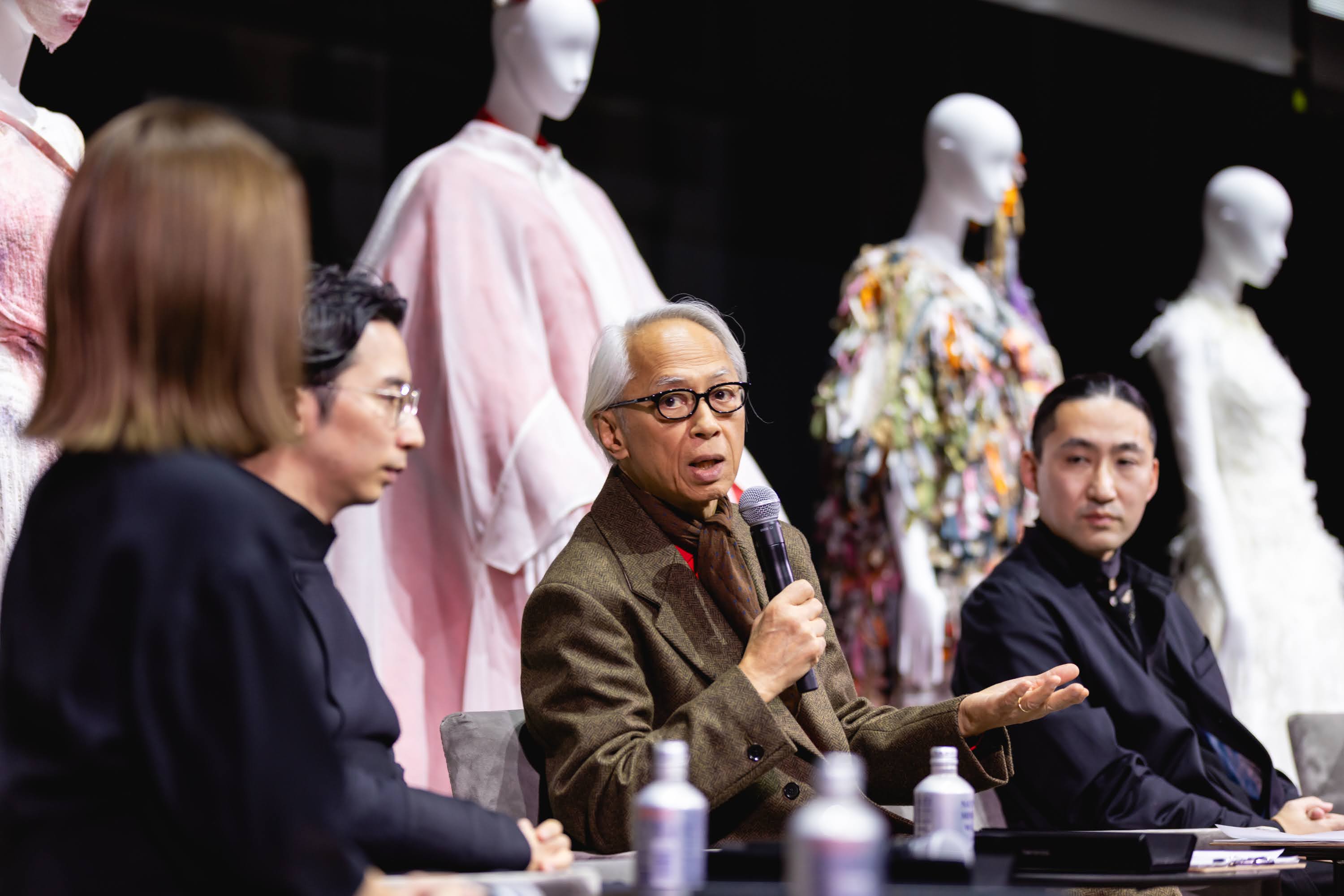
Hirofumi Kurino pushed this even further:
“The program has reached a point where it engages sustainability in a truly radical way.
Creation, in essence, is a form of problem-solving.
The future of fashion may require us to question not only design, but philosophy, social systems—even capitalism itself.”
Redefining Excellence
One of the most resonant ideas in the discussion was the need to redefine what we value.
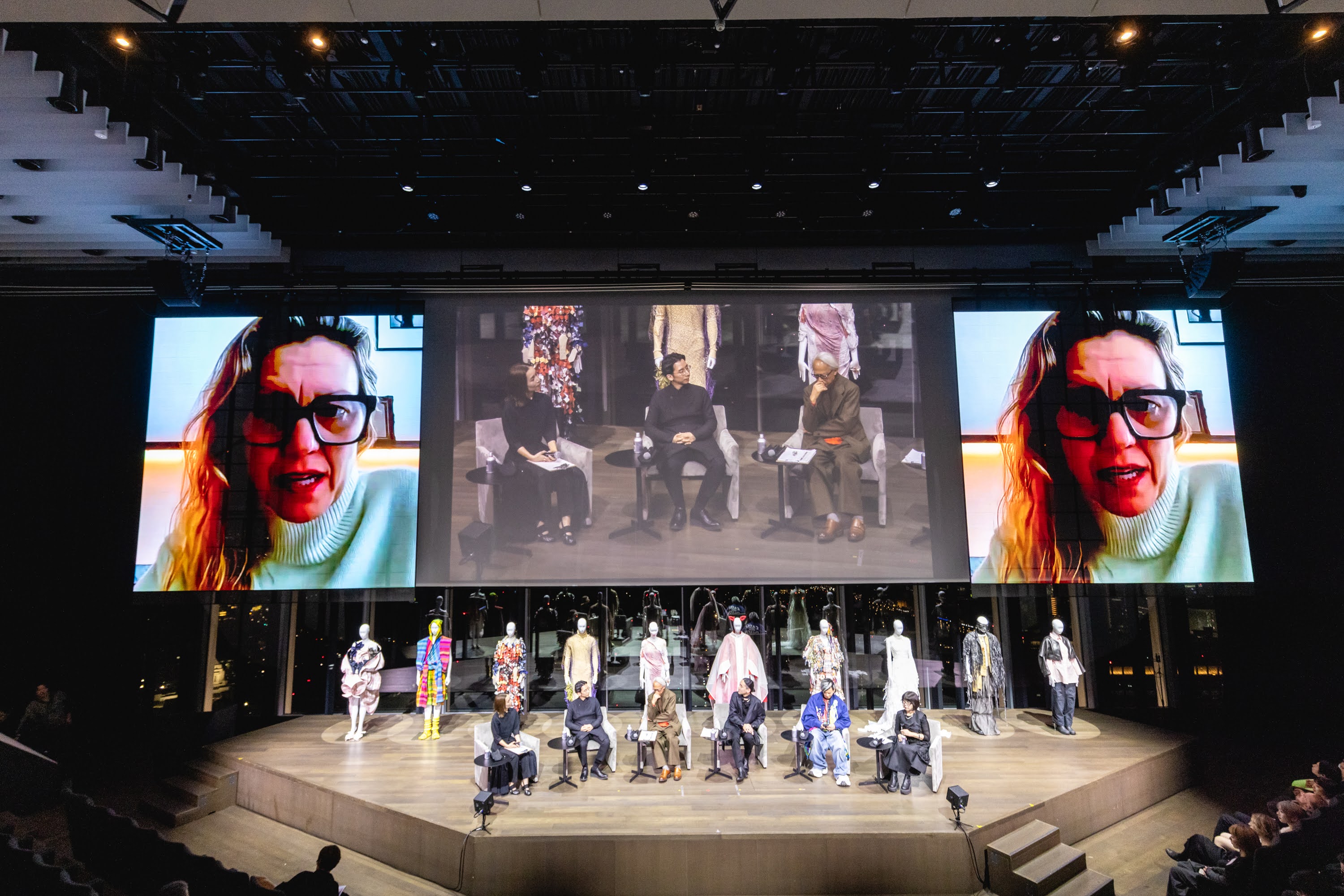
Choreographer and opera director Nanine Linning offered a reframing:
“Excellence used to mean devotion at any cost.
Today, it should be measured by a clear vision, and a sense of responsibility toward others and the wider world.
Creativity and social responsibility are not in opposition.
In fact, responsibility sharpens creativity.”
This is not a compromise.
It is a shift in what we consider meaningful work.
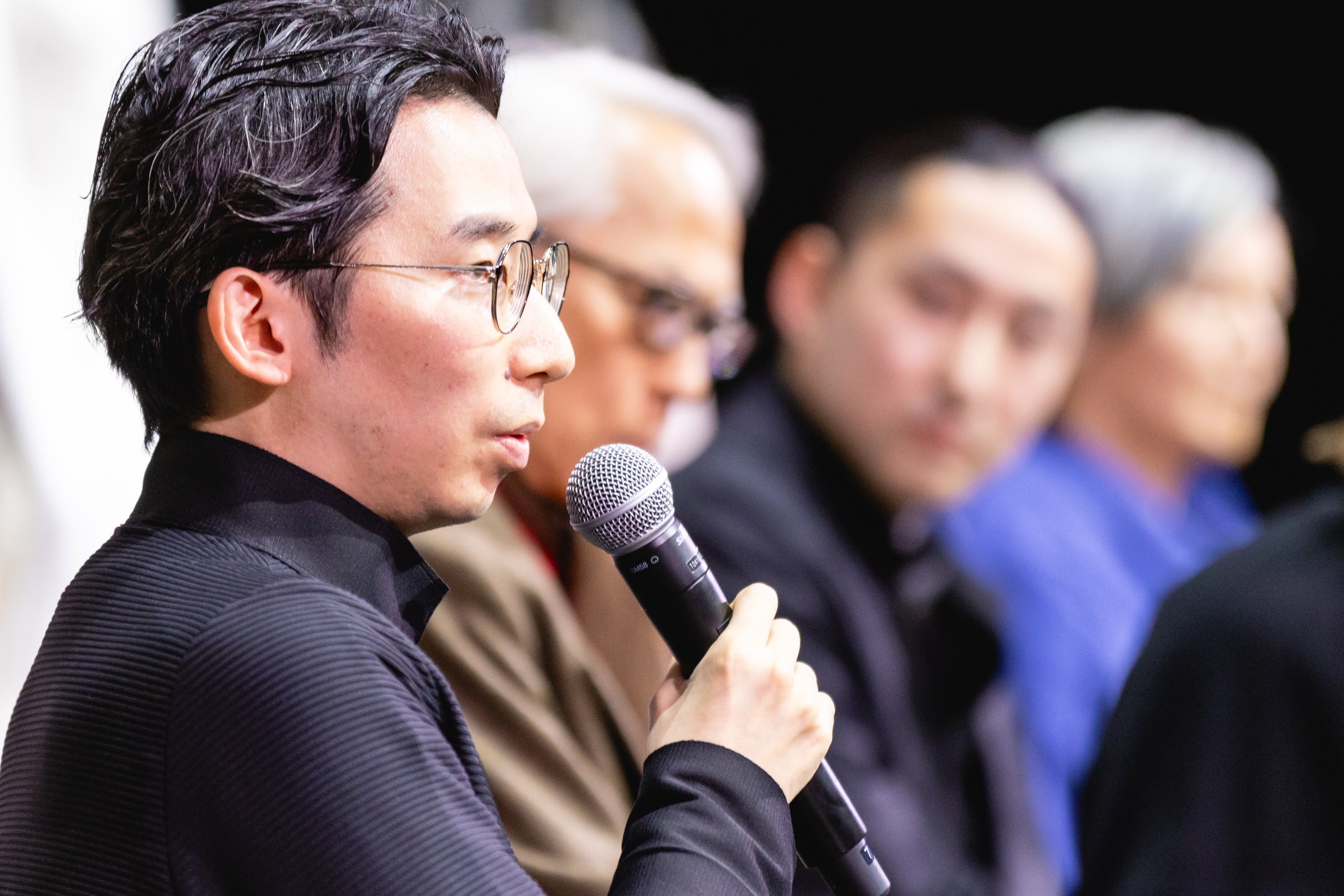
On Continuity
Contemporary artist Eugene Kangawa spoke from a place close to the applicants themselves:
“Because I am close in age to many of the designers, I understand the difficulty—the uncertainty.
What matters most is continuity.
To believe in your own potential, and to continue.
And to ask: are you yourself sustainable?”
Not just the work.
But the person making it.
The Courage to Continue
As the session drew to a close, the jury turned toward the future—not with answers, but with invitations.
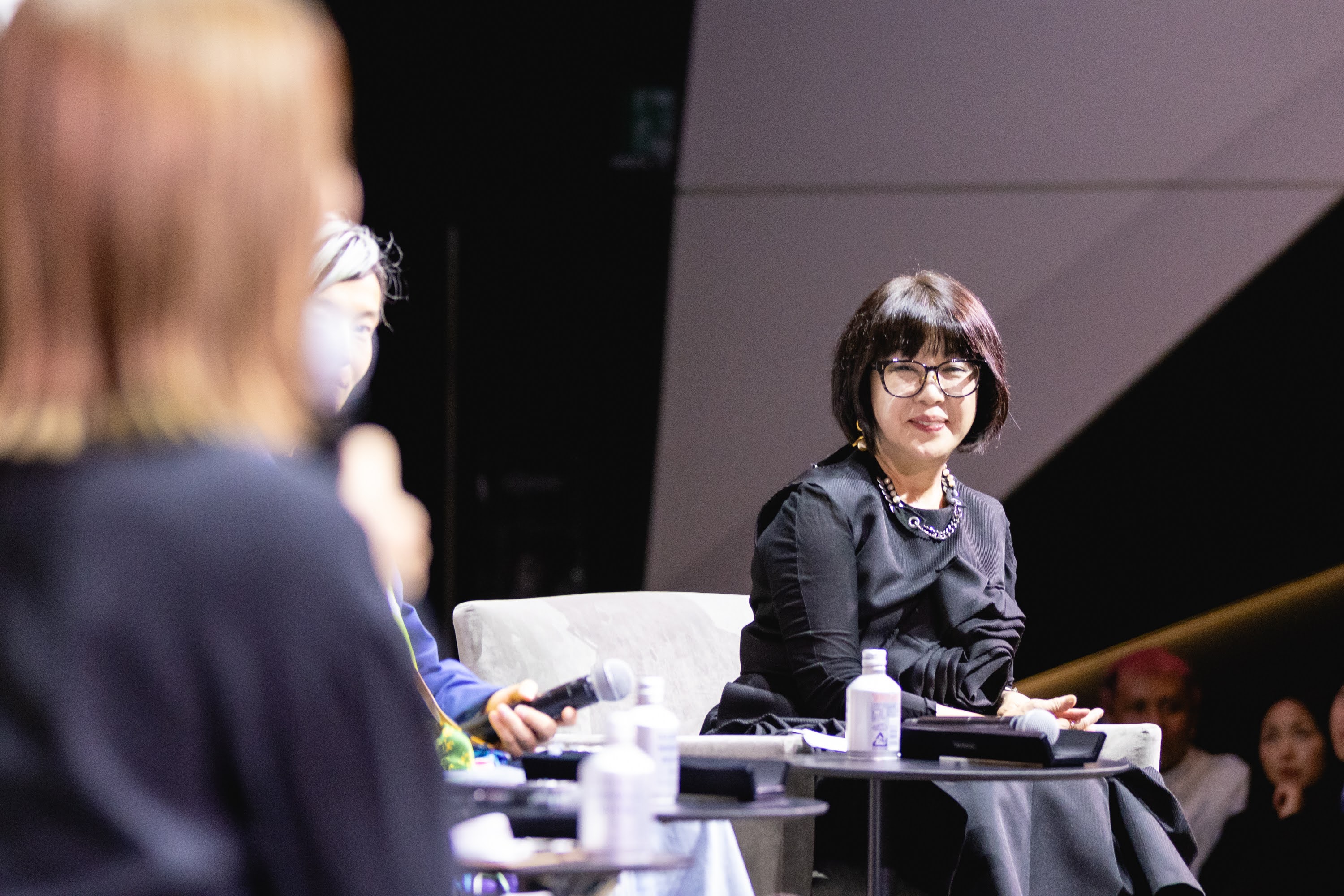
Mitsuko Watanabe addressed a quiet anxiety many young designers carry:
“I see young people asking, ‘Can I create something meaningful?’
That fear is not a weakness—it is a starting point.
Creativity is a statement toward society.
Don’t stop because of fear.
Begin from it. Step forward with courage. And continue.”
“With generative AI, the role of the creator will change dramatically.
What becomes essential is the ability to ask questions.
This program has always been centered on that.
We cannot escape the act of wearing clothes.
So let’s continue asking—together—how that act connects to the future.”
Hirofumi Kurino added, almost provocatively:
“Using AI to reduce mistakes is not wrong.
But if creativity disappears, that is the real mistake.
So—make mistakes.”
Eugene Kangawa returned to a simple, unwavering idea:
“Believe in what you are doing.
Have a philosophy.
And continue.”

“To create, you must be free.
You must be authentic.
You must love what you do.
Where is that found?
In what brings you joy. That is everything.”
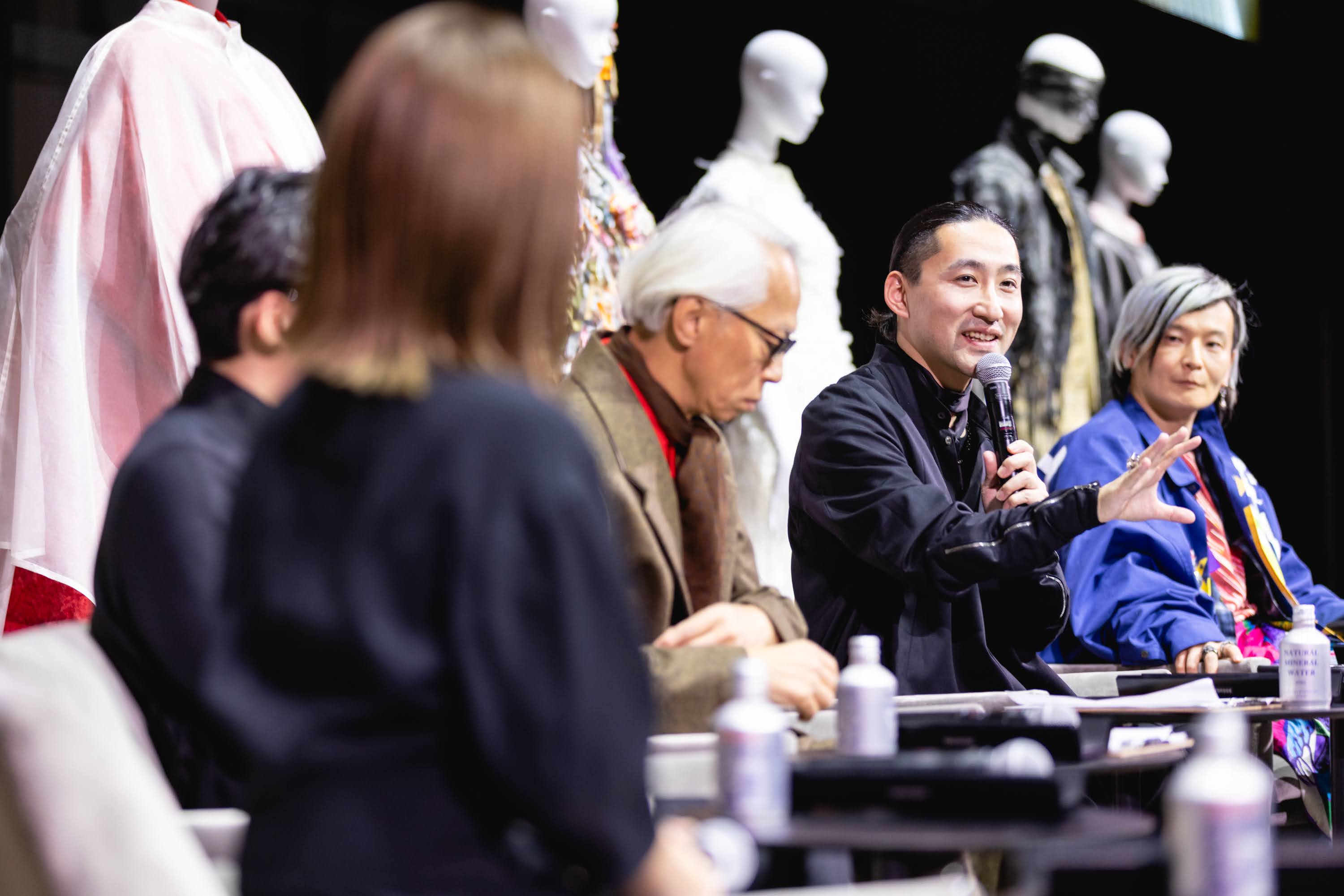
And finally, Yuima Nakazato reflected on this year’s Grand Prix winner:
“What was remarkable was not only the materials or techniques, but that she designed the relationship between people and clothing.
At a time when materials, technologies, and silhouettes feel exhausted, she opened a new path.
These perspectives may not immediately align with economic logic—
but it is essential that there are places where such work can exist.”
Not an Answer, but a Beginning
What emerged from this conversation was not a single direction, but a shared understanding:
The future of fashion will not be defined by solutions alone,
but by the depth of the questions we are willing to hold.
And perhaps that is what this program offers most:
Not a conclusion—
but a place to begin.
FOLLOW US
●○━━━━━━━━━━━━━━○●
Please follow FASHION FRONTIER PROGRAM on Instagram for the latest information.
▶︎▶︎FFPInstagram https://www.instagram.com/ffp.jp/
![FASHION FRONTIER PROGRAM 2026 Entry Information [Application closed]](https://ffp.jp/wp-content/uploads/2026/04/ffp2026_opencall_hp_pc_IN-758x520.jpg?crop=1)